POPULAR COURSES
Master Programs



Table of contents:
|
1. Top 10 Enterprise Tools for 2026
|
|
2. Why Choose Apponix? Engineering Real-World Competence |
|
3. Conclusion |
The traditional corporate network perimeter is extinct.
With the rapid expansion of hybrid cloud environments, decentralized APIs, and remote endpoints, relying solely on legacy firewalls is a catastrophic engineering failure. Security Operations Center (SOC) teams now operate under an assumed-breach mentality, making the automated deployment of enterprise-grade vulnerability detection tools the ultimate baseline defense against zero-day exploits.
However, these platforms are notoriously dangerous in untrained hands; an uncalibrated scan can inadvertently crash a live production database. We at Apponix recognize that bridging the gap between theoretical knowledge and practical, safe execution is critical.
This is precisely why our Cyber Security Course in Bangalore is designed to train engineers by deploying these exact tools in live, simulated enterprise environments.
Here are the 10 most powerful tools modern security architects use to identify, classify, and neutralize threats before an exploitation occurs.
Top 10 Enterprise Tools for 2026
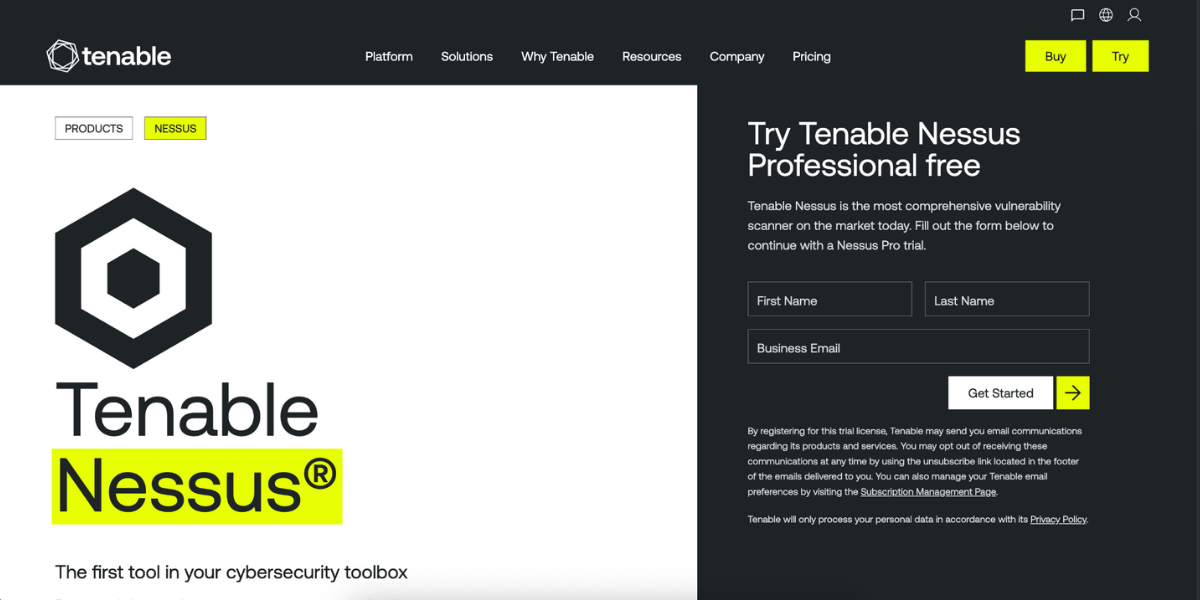
1. Tenable Nessus
https://www.tenable.com/products/nessus
Nessus remains the undisputed industry standard for mapping Common Vulnerabilities and Exposures (CVEs) across vast enterprise subnets. Instead of waiting for a breach, SOC analysts configure Nessus as their primary security vulnerability scanner to aggressively audit misconfigurations, default credentials, and unpatched operating systems across thousands of active IP addresses. It provides a highly structured output, categorizing vulnerabilities by their Common Vulnerability Scoring System (CVSS) severity.
The Operational Risk: Running uncredentialed, highly aggressive scans during peak operational hours can trigger massive network latency or cause fragile legacy servers to crash. A trained analyst knows how to throttle thread counts and configure credentialed scans to minimize production impact.
2. Qualys Cloud Platform
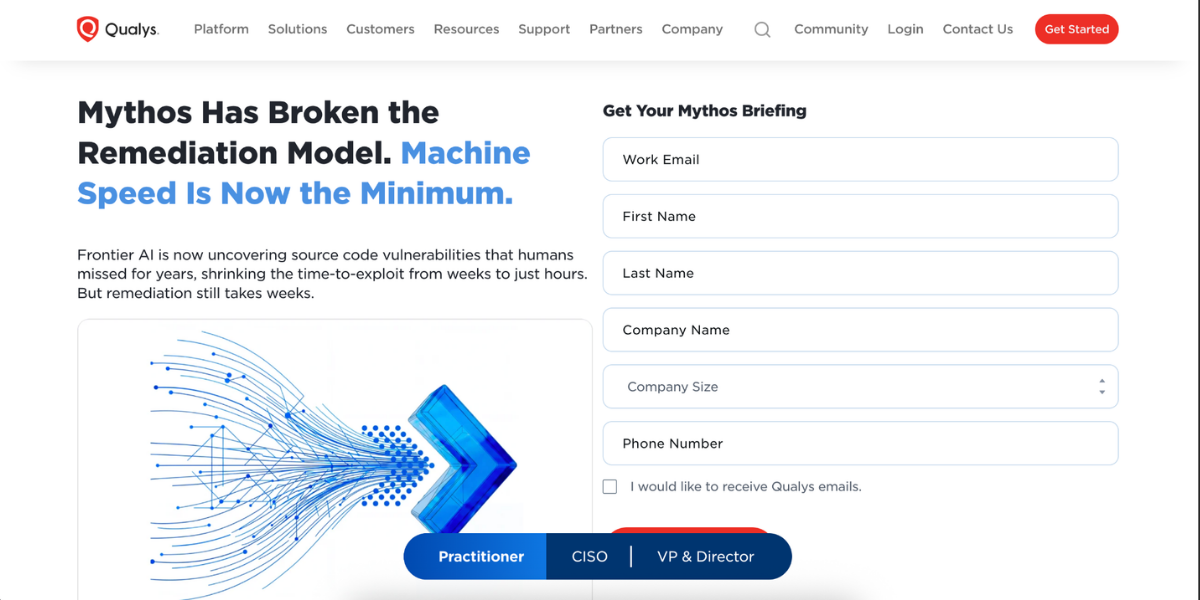
Unlike traditional on-premise scanners that require manual network sweeping, Qualys operates via lightweight sensors deployed directly onto endpoints, containers, and cloud instances.
It provides a continuous, real-time Security Risk Assessment by feeding telemetry back to a centralized cloud dashboard. This architecture is non-negotiable for large organizations that must maintain strict, automated compliance with frameworks like PCI-DSS and SOC2 without overwhelming the host CPU.
The Operational Risk: Mismanaging the asset tagging and grouping logic in Qualys inevitably leads to alert fatigue. An untrained team will generate thousands of low-priority informational alerts, completely burying critical warnings regarding actively exploited vulnerabilities.
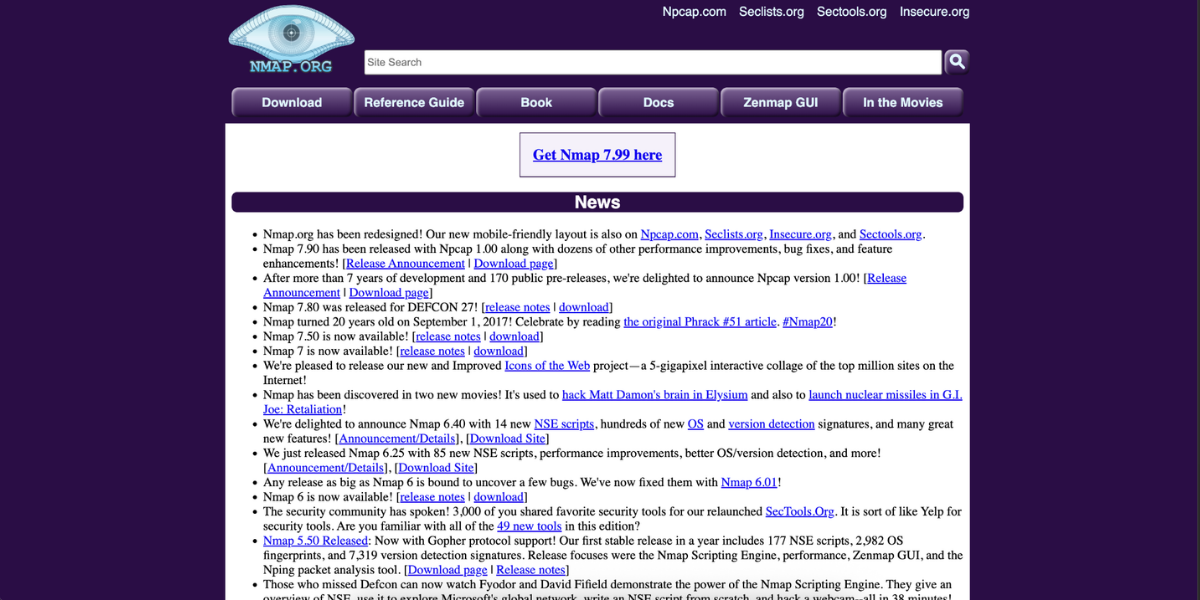
3. Nmap (Network Mapper)
https://nmap.org/
Before deploying heavier, automated IT security tools, seasoned security architects always drop into the command line with Nmap. It is the foundational, open-source engine for network discovery and security auditing.
Manipulating raw IP packets, Nmap determines exactly what hosts are alive, what specific services (application name and version) those hosts are broadcasting, and what firewall rules are silently dropping packets.
|
Bash |
|
# Example: Executing a stealth SYN scan across all 65,535 ports on a target subnet nmap -sS -p 1-65535 -T3 -v 192.168.1.0/24 |
Firing off a loud, aggressive scan (like nmap -T5 -A) against a fragile IoT device or an industrial SCADA system can instantly knock the hardware offline due to protocol panic. Precision syntax and timing templates are mandatory for stealth and stability.
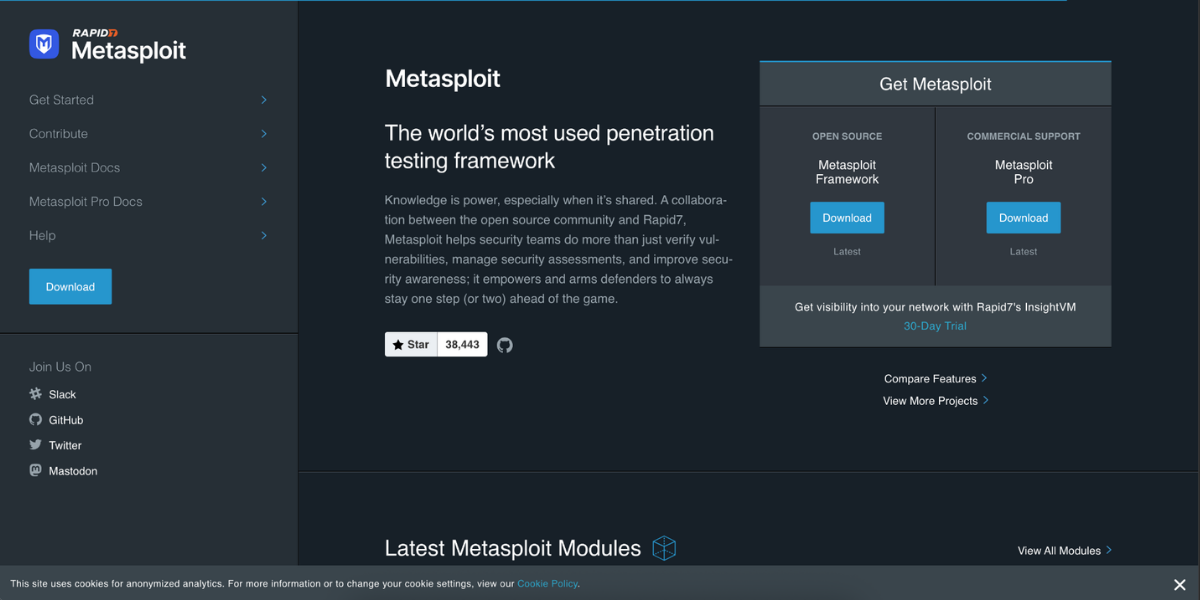
4. Metasploit Framework
https://www.metasploit.com/
Finding a vulnerability is only half the battle; proving it can actually be weaponized is what separates theory from production risk. Metasploit is not strictly a scanner; it is the industry’s premier exploitation framework. In 2026, modern SOCs have integrated Metasploit directly into automated CI/CD pipelines. Instead of relying on manual point-and-click testing, architects use AI-assisted agents to automatically select matching exploit modules based on scanner results, transforming Metasploit into an automated arsenal of Penetration Testing Tools.
Metasploit is fundamentally designed to break things.
While automation increases test coverage, an incorrectly configured AI agent firing a buffer overflow module or a low-level protocol exploit against a live production database will result in immediate system crashes and data corruption. Strict guardrails and isolated lab testing are mandatory.
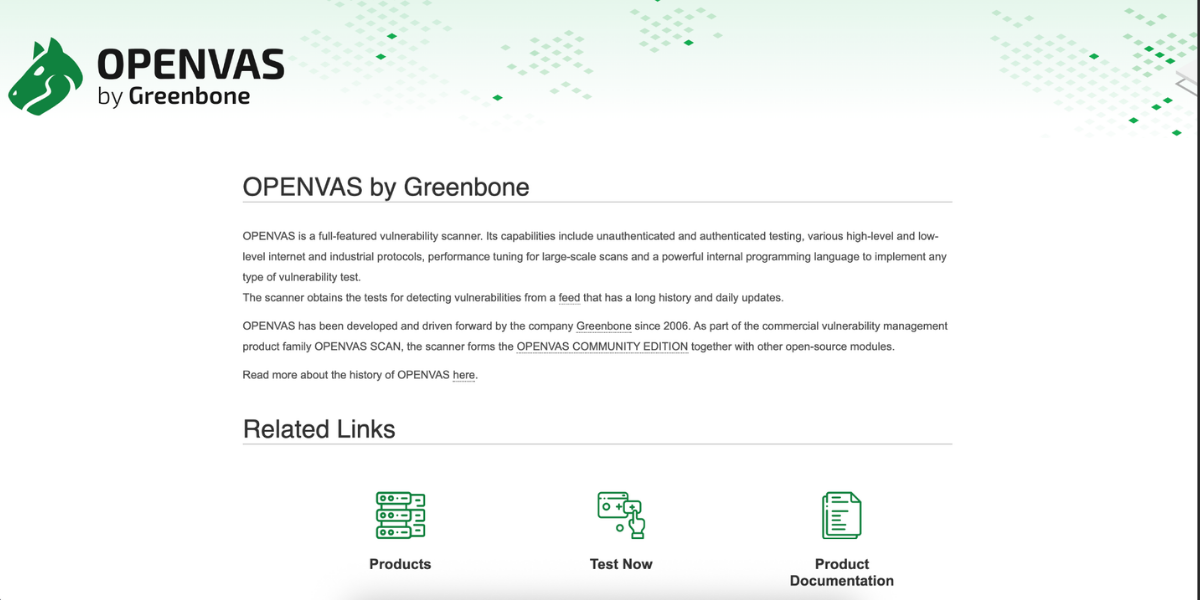
5. OpenVAS (Greenbone): The Open-Source Alternative
https://www.openvas.org/
For startups and mid-sized enterprises that cannot justify the massive licensing costs of enterprise scanners, OpenVAS (Greenbone Vulnerability Management) provides a highly capable, open-source alternative. It operates utilizing a massive, constantly updated feed of Network Vulnerability Tests (NVTs).
As foundational cybersecurity software, it allows lean security teams to maintain authenticated scanning and vulnerability triage without vendor lock-in.
The Operational Risk: OpenVAS is notoriously resource-heavy and unoptimized out of the box. An untrained engineer running a full, uncalibrated NVT feed across a massive subnet will not only experience multi-day scan durations but will also be overwhelmed by an unmanageable volume of false positives, rendering the data practically useless.
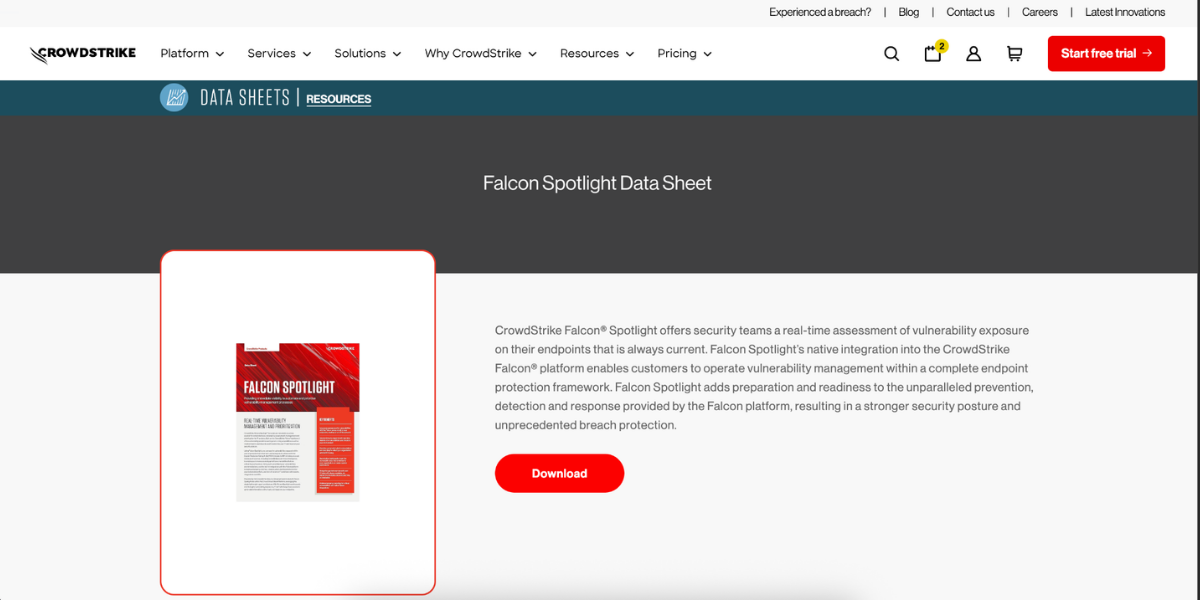
6. CrowdStrike Falcon Spotlight
https://www.crowdstrike.com/en-us/resources/data-sheets/falcon-spotlight/
The 2026 standard for endpoint security relies heavily on the scan-free architecture pioneered by CrowdStrike.
Falcon Spotlight eliminates the need for bulky, scheduled network sweeps. Because the Falcon sensor is already installed at the kernel level for EDR (Endpoint Detection and Response), it continuously streams vulnerability data directly to the cloud without degrading local CPU performance.
Furthermore, CrowdStrike’s recent advancements in agentic defense now allow it to actively monitor the prompt layer in AI applications, delivering unparalleled Threat Detection across both traditional endpoints and modern Kubernetes clusters.
The tool's efficacy is entirely dependent on complete sensor deployment. If an engineer fails to deploy the Falcon sensor to a rogue cloud instance, an orphaned container, or a legacy server, that asset becomes an invisible blind spot in the dashboard, creating a false sense of absolute security.
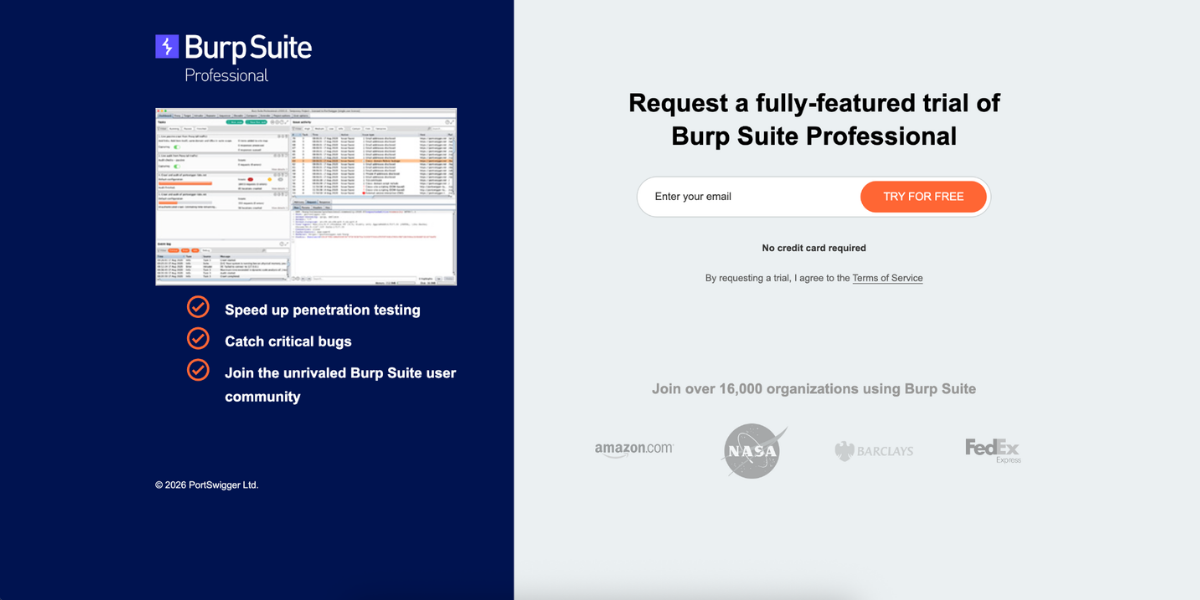
7. Burp Suite Professional
https://github.com/xiv3r/Burpsuite-Professional
While Nessus maps the infrastructure, Burp Suite Professional is the absolute requirement for securing the application layer. Operating as an intercepting proxy, it allows security engineers to capture, inspect, and modify HTTP/HTTPS traffic between the browser and the target web application.
This provides an unparalleled capability to execute Dynamic Application Security Testing (DAST), hunting for complex business logic flaws, SQL injection, and Cross-Site Scripting (XSS) that automated infrastructure scanners completely miss.
Burp Suite grants the analyst absolute control over session data and request parameters. Carelessly modifying POST requests within a live production environment can result in unauthorized database modifications, corrupted financial transactions, or the accidental deletion of user records.
8. Snort 3 & Suricata
https://www.snort.org/
Securing the modern perimeter requires highly optimized network security solutions capable of deep packet inspection at gigabit speeds. Snort 3 and Suricata operate as highly advanced Intrusion Detection and Prevention Systems (IDS/IPS). Rather than scanning for static vulnerabilities, they analyze live traffic streams against thousands of signature-based rules, actively terminating connections that match known malicious behavior, such as a remote server attempting to execute a reverse shell.
The Operational Risk: Deploying Suricata in Prevention (IPS) mode without meticulously tuning the rule engine is a recipe for disaster. Poorly written regex signatures will generate massive false positives, actively dropping legitimate enterprise traffic and paralyzing day-to-day business operations.
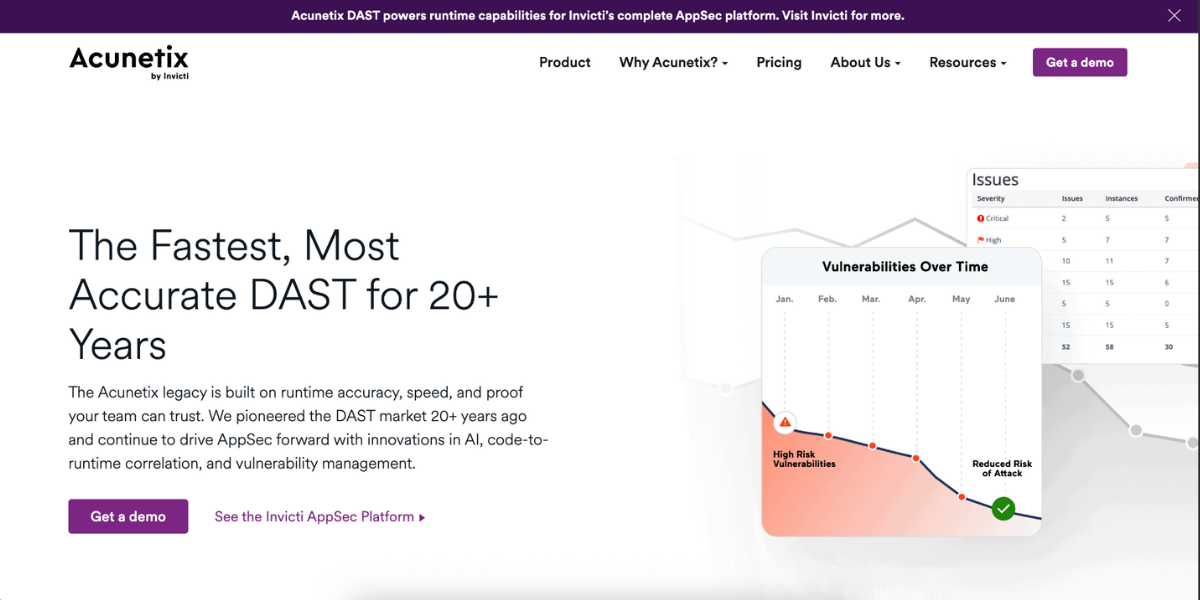
9. Acunetix
https://www.acunetix.com/
Modern CI/CD pipelines require security testing that matches the speed of deployment. Acunetix is engineered for high-velocity, automated web application scanning. It employs a deep-crawl architecture that natively understands complex HTML5, Single Page Applications (SPAs), and JavaScript-heavy frameworks.
Integrating directly into platforms like Jenkins and GitHub Actions, Acunetix halts the deployment pipeline automatically if a high-severity flaw is detected in the staging environment.
The Operational Risk: Automating authenticated scans without strict boundary controls turns the scanner into an unintentional denial-of-service tool. An uncalibrated crawler will blindly submit thousands of Contact Us forms, lock out administrator accounts by repeatedly triggering password reset flows, or delete data by following administrative deletion links.
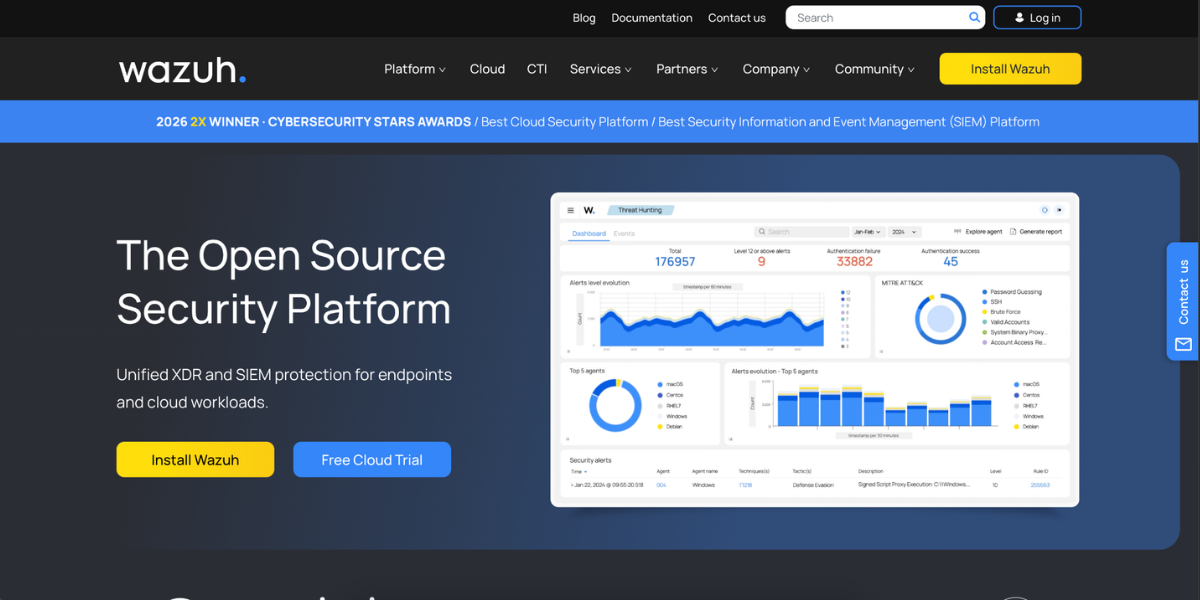
10. Wazuh
https://wazuh.com/
Identifying a vulnerability is useless if the alert is buried in a localized log file. Wazuh is a highly scalable, open-source Security Information and Event Management (SIEM) and Extended Detection and Response (XDR) platform.
It aggregates log data from firewalls, servers, and vulnerability scanners (including OpenVAS and Suricata) into a unified, actionable dashboard. Understanding how to architect this centralized logging structure is exactly why security professionals seek out a premier Training Institute in Bangalore; it transitions an engineer from merely running isolated tools to orchestrating an entire Security Operations Center.
Ingesting telemetry without applying strict filtering logic will result in log saturation. If you forward every single benign Windows event to the SIEM, you will immediately exhaust your storage capacity and render the database too slow to query during an actual incident response scenario.
Why Choose Apponix? Engineering Real-World Competence
The security industry does not suffer from a lack of theoretical knowledge. Knowing the name of a vulnerability scanner is meaningless if you cannot securely configure it within a segmented Virtual Private Cloud (VPC). At Apponix Technologies, our curriculum strips away the academic fluff and immerses you directly in live SOC operations.
Here is why elite engineering teams and ambitious professionals choose our architecture:
-
100% Practical SOC Simulation: We reject slide-deck learning. Our trainees deploy Nessus, configure Suricata rules, and orchestrate Wazuh dashboards within actual, isolated lab environments that mirror enterprise networks.
-
Active Industry Practitioners: Your mentors are not career academics. They are active Security Architects and Penetration Testers who deal with zero-day exploits and compliance audits on a daily basis.
-
Zero-Trust Methodology: We teach the 2026 standard. You will learn how to integrate these tools into modern CI/CD pipelines, enforcing automated security guardrails without slowing down deployment velocity.
We bridge the gap between technical mastery and career acceleration. Through rigorous mock architectural whiteboard sessions and direct placement assistance, we ensure our graduates land in high-paying, high-impact defense roles.
Conclusion
Software does not stop breaches; highly trained analysts do. The 2026 threat environment demands a security posture that is automated, aggressive, and highly precise. Merely purchasing a license for an enterprise vulnerability scanner provides a false sense of security if your engineering team lacks the operational maturity to tune the rules, interpret the telemetry, and patch the architecture without causing downtime.
Stop relying on fragmented online tutorials and reckless experimentation. Step into Apponix Technologies, master the absolute standard of enterprise security, and start defending infrastructure with technical authority. Your transition from a junior IT administrator to a Senior Security Architect begins here.
Reference:
https://www.google.com/aclk?sa=L&ai=DChsSEwi36NzOsJuVAxXhXw8CHXMIIQYYACICCAEQAhoCdGI&co=1&ase=2&gclid=CjwKCAjwuuPRBhAnEiwA2Ji8ejcYL94j93Y04Lju03WmmIeFdw1FaGLfct4uNp_5hZntv3AoPqA8OhoCuAwQAvD_BwE&cid=CAASugHkaLvjZ2eHZlDa-pJ45r5IRVgB6oo4_lbwdy2KxObB4IBzgbE0pLaggkmC_dLwY3YVihb9UHJdYrN1DWwPAQjtmLvi1wC3ycA87z4oyRuS2qWL7MfplHBV8n6fVPKUOhG3afpSotbXI66rX1gjTlj4VBtp6AIsGVvfuFvHTPKarsK1q6sWqgh_kc9WNkNzarCafntqOB341dfLwsy9wC_caSe-upQ4p_Lnqx51VXgGaJwj6hJVySDOWis&cce=2&category=acrcp_v1_32&sig=AOD64_1BbjjmiVzMInui-SyiXpM7WXTQXQ&q&nis=4&adurl&ved=2ahUKEwjS9NXOsJuVAxXFhK8BHbx7CIEQ0Qx6BAgYEAE

Apponix Academy
Apponix Academy