POPULAR COURSES
Master Programs



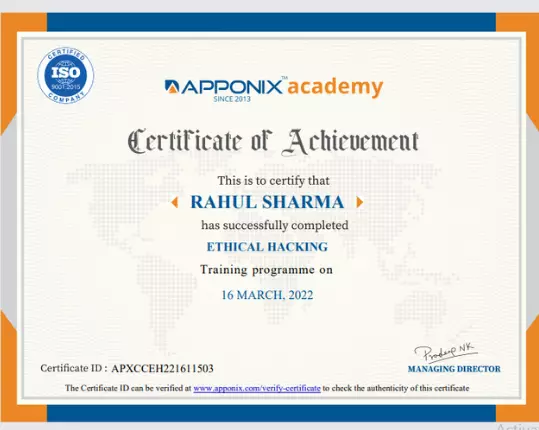
Ethical Hacking Course in Marathahalli
Get EC council certified in just 6 weeks, Become an ethical hacker or cyber security expert.
At Apponix, we offer our ethical hacking course in Marathahalli through a hands-on learning approach that helps you understand security tools, attack methods, and defense techniques with complete clarity. We make every session practical and beginner-friendly.
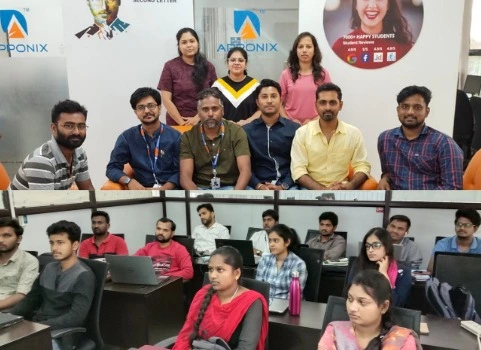
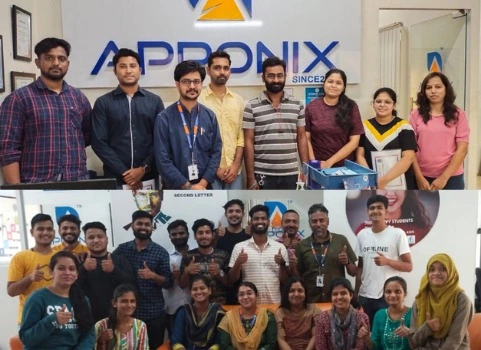
Because Marathahalli is one of our major Bangalore training hubs, this program aligns with our larger ethical hacking course in Bangalore, giving you the same expert trainers, engaging labs, and interactive guidance throughout your learning journey.
We also support you with certification preparation, skill-building exercises, and placement assistance so you feel confident taking the next step toward a successful cybersecurity career.
2000+ Ratings
3000+ Happy Learners
Ethical Hacking Videos
Skills Covered in Ethical Hacking Course

Understanding about Ethical Hacking
Types and Phases of hacking
Preparing for US-Council & EC-Council Certifications
Foot-printing through Search engines
Detail-oriented learning in Network Scanning
Session hijacking techniques
Advanced level concepts like Enumeration, Sniffing, and Session Hijacking
Understanding on Malware and Hacking Web Applications
Hacking Mobile Devices
Legal and Ethical Issues in Hacking
Penetration Testing Methodologies
SQL Injection and Attack Prevention
Exploiting Web Server and Web Applications
Cryptography and Encryption in Hacking
Wireless Network Hacking
Course Key Features
40 Hrs Practical Learning
Assured Job Placement
EC-Council Certification Assistance
Placement assistance will be provided
Delivered by Industry Experts
Weekly Practice Assignments
Zero-Interest EMI Option
Weekdays & Weekend Classes
Certification Guidance
Designated Placement Advisor
Interactive Q&A Discussion
Interpersonal Skills Training
Interview Preparation Session
Professional Resume building
Classroom & Online Training
Placement assistance will be provided
Cloud Computing/Python will be offered as a complimentary course
Guaranteed 5 interviews
Our Alumni Working in




































Ethical Hacking Course Reviews

Aniket V
Ethical Hacking
I did ethical hacking training from Apponix. It was a wonderful experience. The trainer helped me to understand hacking technologies and the tools.

Yuvashrie
Ethical Hacking
Great infrastructure. The faculty and staffs are friendly. The tutor is very much approachable. His teaching style is very nice.

Neelavati K
Ethical Hacking
The training was totally amazing. It really saved my career. A super trainer who is a real expert. Great infrastructure. The faculty and staffs are friendly.

Karthi
Ethical Hacking
Very good training institute, management and Trainers very friendly. I completed Ethical Hacking training recently. It was wonderful experience.
Our Recent Placements



Why is Apponix’s Ethical Hacking Training Course the Best?
- Apponix Academy offers expert-led training focused on practical learning, allowing students to master essential ethical hacking tools with real-world insights.
- The course includes structured labs, guided sessions, and support that builds strong confidence for tackling cybersecurity challenges professionally.
- Students receive soft skills coaching, interview preparation, and placement assistance, helping them transition smoothly into cybersecurity roles.
- Apponix provides flexible learning options, ensuring every learner progresses comfortably through comprehensive, industry-relevant ethical hacking training modules.
Why Do Students Choose Apponix for an Ethical Hacking Course in Marathahalli?
- We offer practical, tool-based ethical hacking training guided by experienced mentors who focus on building real security skills through structured, hands-on practice.
- Our Marathahalli centre provides supportive learning environments with flexible online and classroom batches suitable for beginners and working professionals seeking cybersecurity careers.
- We include resume building, interview preparation, and dedicated placement assistance designed to help students secure strong job opportunities in top companies.
- Students trust our consistent training quality across Bangalore locations, ensuring expert-driven modules, interactive labs, and personalised mentorship for complete ethical hacking career readiness.
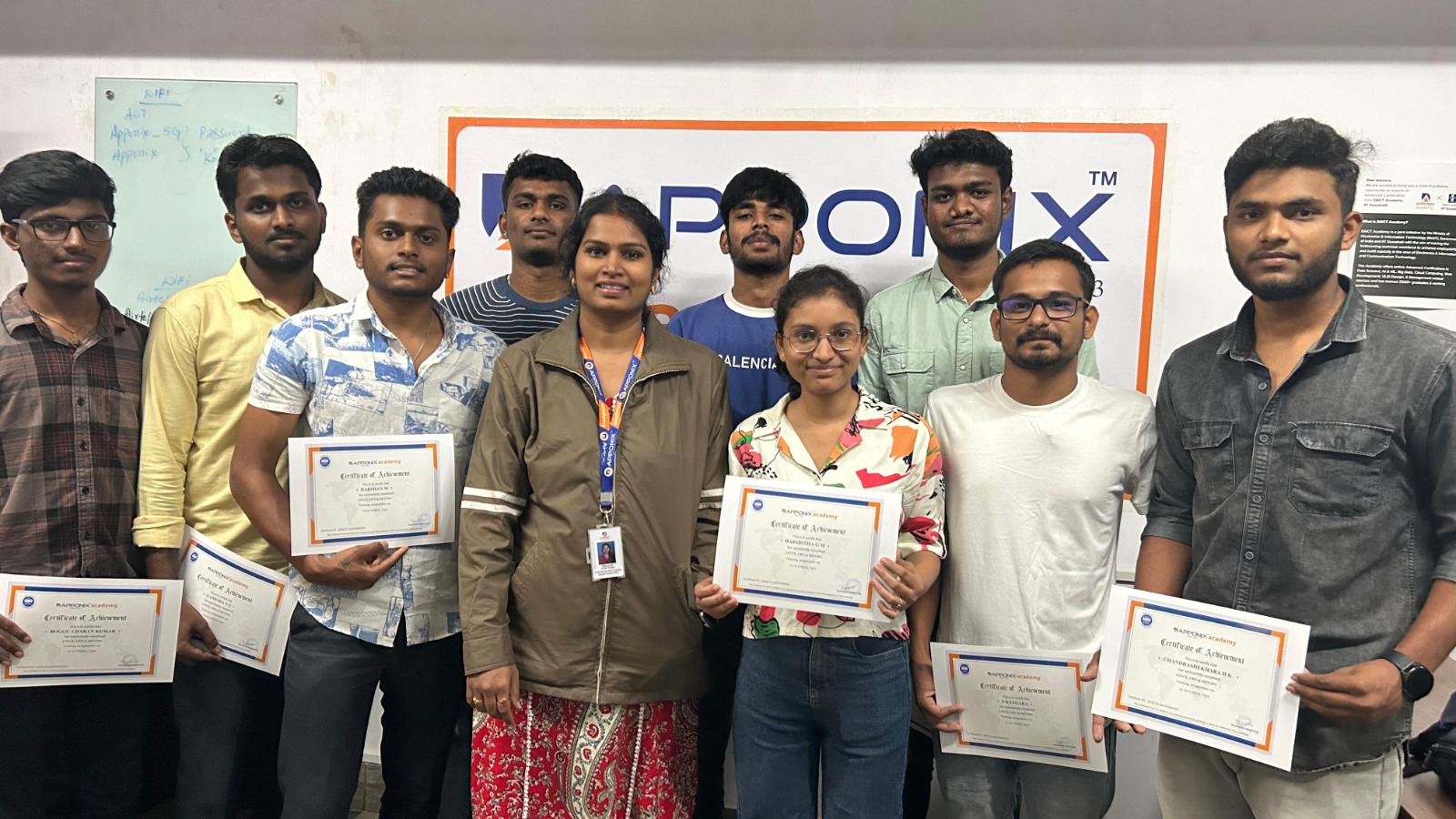
Classroom Training

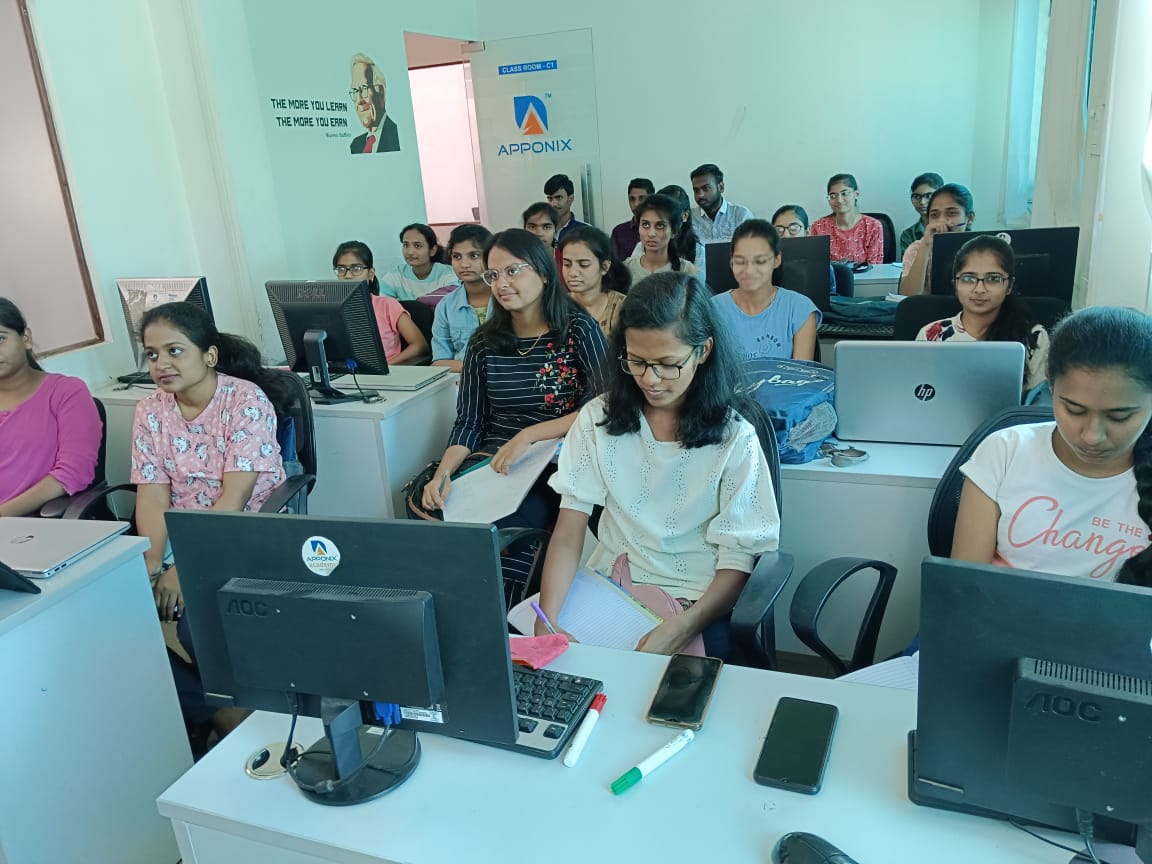
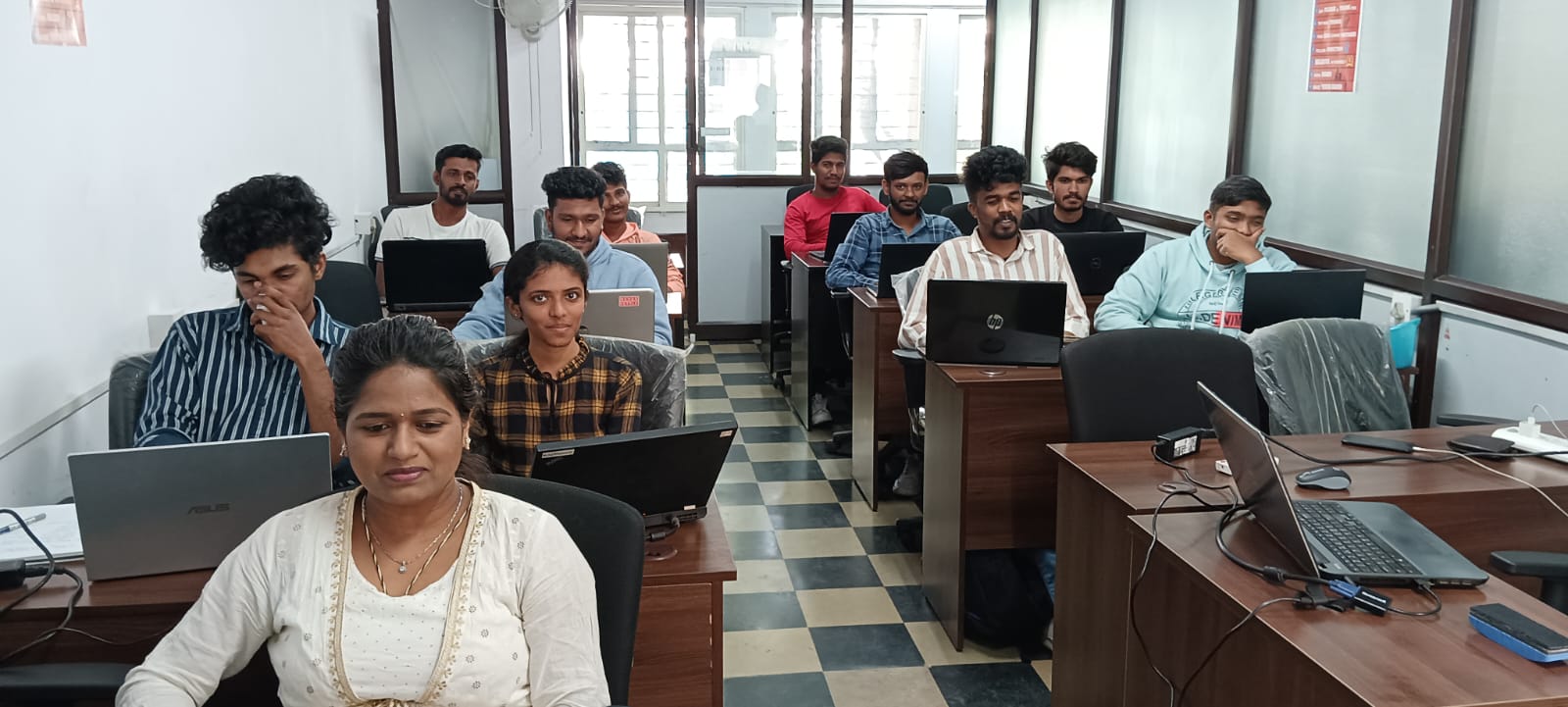
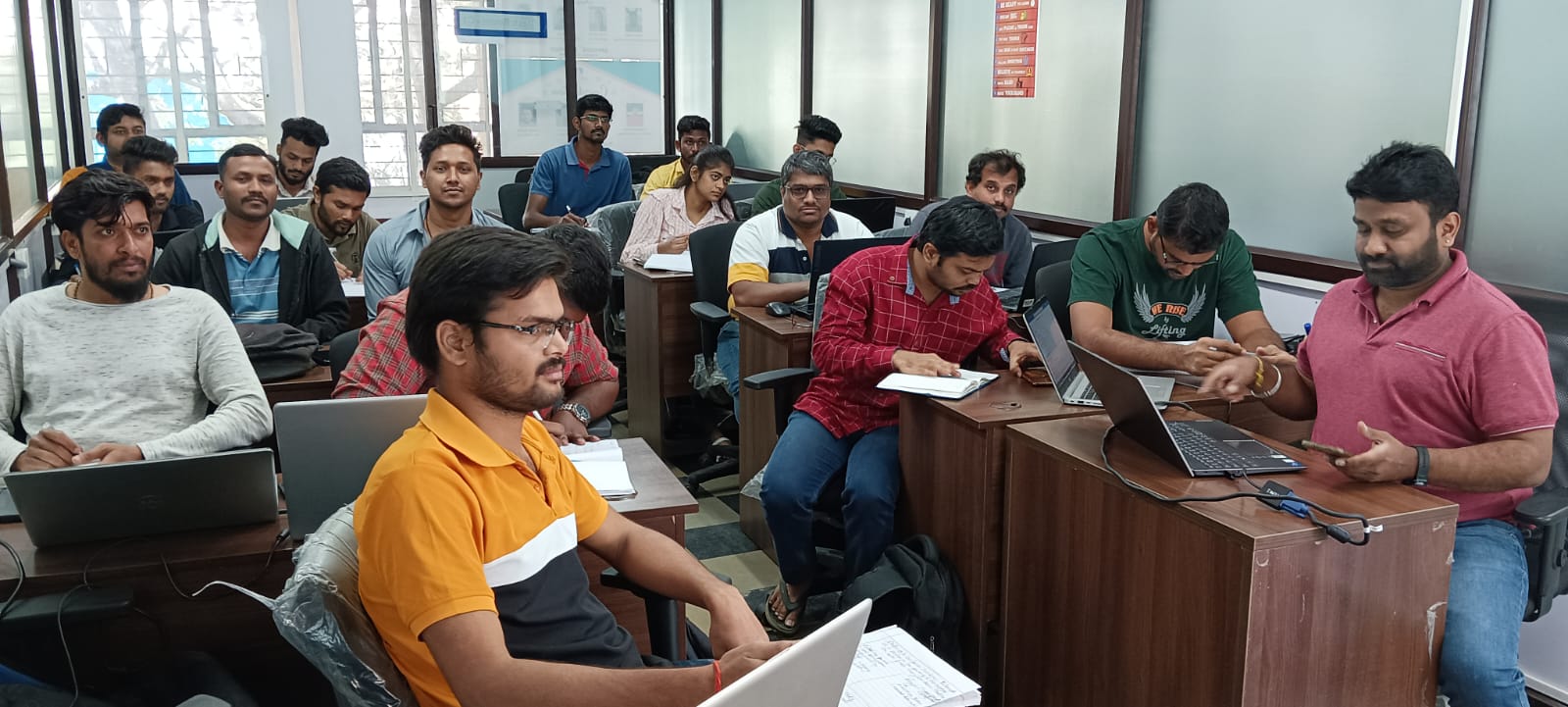
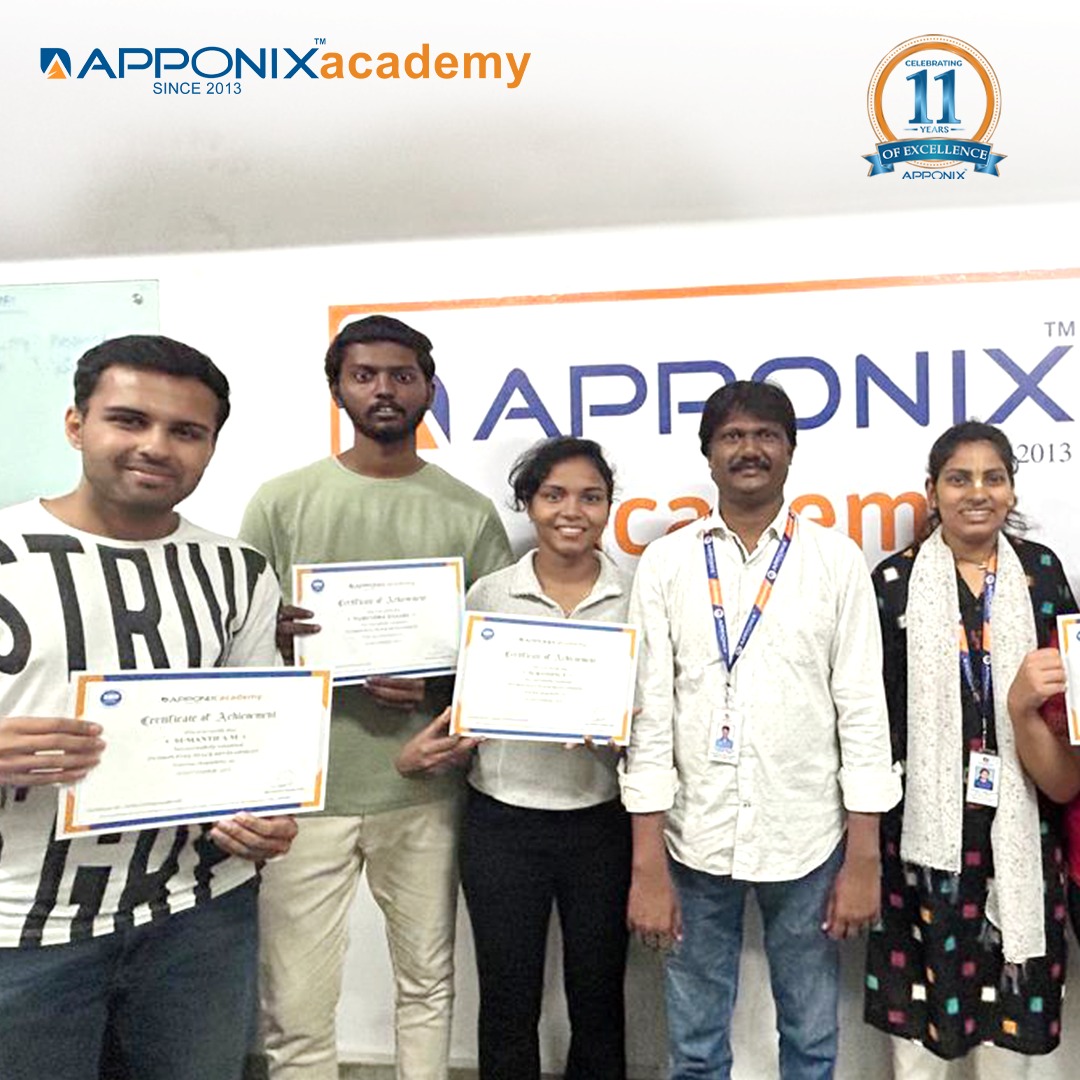

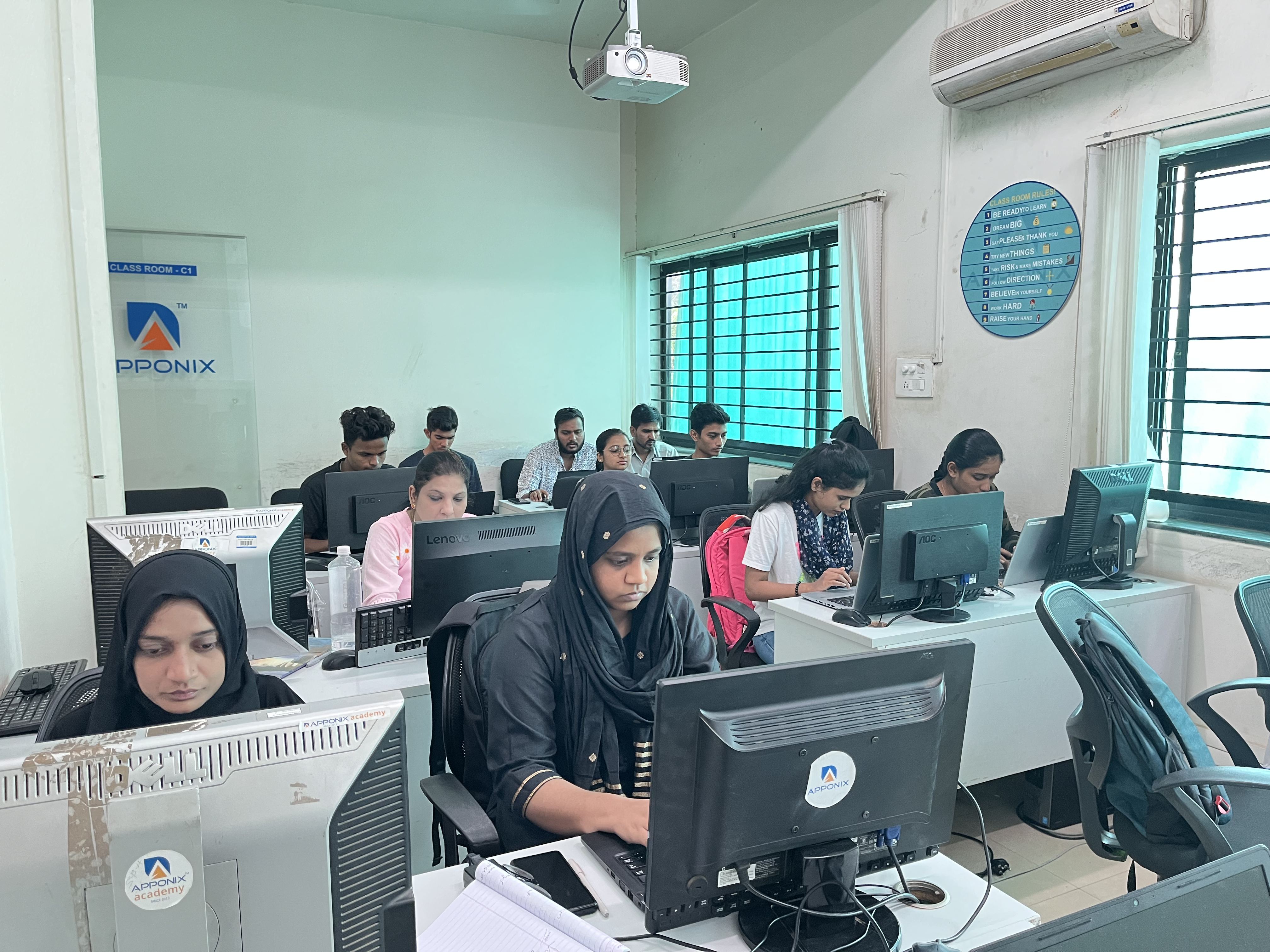

Classroom Training
Fees & Training Options
Online Training
- Interactive Live Training Sessions
- 40+ Hrs Practical Learning
- Delivered by Working Professionals
- 1-Year Access to Recorded Sessions
- Placement assistance will be provided
- Guaranteed 3 Interview Arrangements
- Daily 2 Hrs or Weekend 10 Hrs
- EC-Council Certification Assistance
- Doubt Clearing Sessions
- Regular assignments will be given and assessments will be taken.
Ethical Hacking Training Syllabus
Prerequisites
This course can be taken by any one who is interested in learning hacking or who wants to start their career in ethical hacking.
Below IT professionals also can take this course to further enhance their career opportunities.
- Network security officers
- Website administrators
- IS/IT specialists
- IS/IT analysts
- IS/IT auditors
- IT operations managers
- IT security officers
- Network specialists
- Technical support engineers
- Senior systems engineers and
- Systems analysts.
Ethical Hacking Course Syllabus
Module 01 - Introduction to Ethical Hacking
Lesson 01 - Information Security Overview
1 Demo of Aspen and iLabs
2 Internet is Integral Part of Business and Personal Life - What Happens Online in 60 Seconds
3 Essential Terminology
4 Elements of Information Security
5 The Security, Functionality, and Usability Triangle
Lesson 02 - Information Security Threats and Attack Vectors
1 Motives, Goals, and Objectives of Information Security Attacks
2 Top Information Security Attack Vectors
3 Information Security Threat Categories
4 Types of Attacks on a System
5 Information Warfare
Lesson 03 - Hacking Concepts
1 What is Hacking
2 Who is a Hacker?
3 Hacker Classes
4 Hacking Phases
Lesson 04 - Ethical Hacking Concepts
1 What is Ethical Hacking?
2 Why Ethical Hacking is Necessary
3 Scope and Limitations of Ethical Hacking
4 Skills of an Ethical Hacker
Lesson 05 - Information Security Controls
1 Information Assurance (IA)
2 Information Security Management Program
4 Enterprise Information Security Architecture (EISA)
5 Network Security Zoning
6 Defense in Depth
7 Information Security Policies
8 Physical Security
10 What is Risk?
11 Threat Modeling
12 Incident Management
13 Security Incident and Event Management (SIEM)
14 User Behavior Analytics (UBA)
15 Network Security Controls
16 Identity and Access Management (IAM)
17 Data Leakage
18 Data Backup
19 Data Recovery
20 Role of AI/ML in Cyber Securit
Lesson 06 - Penetration Testing Concepts
1 Penetration Testing
2 Why Penetration Testing
3 Comparing Security Audit, Vulnerability Assessment, and Penetration Testing
4 Blue Teaming/Red Teaming
5 Types of Penetration Testing
6 Phases of Penetration Testing
7 Security Testing Methodology
Lesson 07 - Information Security Laws and Standards
1 Payment Card Industry Data Security Standard (PCI-DSS)
2 ISO/IEC 27001:2013
3 Health Insurance Portability and Accountability Act (HIPAA)
4 Sarbanes Oxley Act (SOX)
5 The Digital Millennium Copyright Act (DMCA)
6 Federal Information Security Management Act (FISMA)
7 Cyber Law in Different Countries
Lesson 02 - Footprinting and Reconnaissance
Lesson 01 - Footprinting Concepts
Lesson 02 - Footprinting through Search Engines
1 What is Footprinting?
2 Objectives of Footprinting
1 Footprinting through Search Engines
2 Footprinting using Advanced Google Hacking Techniques
3 Information Gathering Using Google Advanced Search and Image Search
4 Google Hacking Database
5 VoIP and VPN Footprinting through Google Hacking Database
Lesson 03 - Footprinting through Web Services
1 Finding Company’s Top-level Domains (TLDs) and Sub-domains
2 Finding the Geographical Location of the Target
3 People Search on Social Networking Sites and People Search Service
4 Gathering Information from LinkedIn
5 Gather Information from Financial Services
6 Footprinting through Job Sites
7 Monitoring Target Using Alerts
8 Information Gathering Using Groups, Forums, and Blogs
9 Determining the Operating System
10 VoIP and VPN Footprinting through SHODAN
Lesson 04 - Footprinting through Social Networking Sites
1 Collecting Information through Social Engineering on Social Networking Sites
Lesson 05 - Website Footprinting
1 Website Footprinting
2 Website Footprinting using Web Spiders
3 Mirroring Entire Website
4 Extracting Website Information from https://archive.org
5 Extracting Metadata of Public Documents
6 Monitoring Web Pages for Updates and Changes
Lesson 06 - Email Footprinting
1 Tracking Email Communications
2 Collecting Information from Email Header
3 Email Tracking Tools
Lesson 07 - Competitive Intelligence
1 Competitive Intelligence Gathering
2 Competitive Intelligence - When Did this Company Begin? How Did it Develop?
3 Competitive Intelligence - What Are the Company's Plans?
4 Competitive Intelligence - What Expert Opinions Say About the Company
5 Monitoring Website Traffic of Target Company
6 Tracking Online Reputation of the Target
Lesson 08 - Whois Footprinting
1 Whois Lookup
2 Whois Lookup Result Analysis
3 Whois Lookup Tools
4 Finding IP Geolocation Information
Lesson 09 - DNS Footprinting
1 Extracting DNS Information
2 DNS Interrogation Tools
Lesson 10- Network Footprinting
1 Locate the Network Range
2 Traceroute
3 Traceroute
4 Traceroute Tools
Lesson 11- Footprinting through Social Engineering
1 Footprinting through Social Engineering
2 Collect Information Using Eavesdropping, Shoulder Surfing, and Dumpster Diving
Lesson 12 - Footprinting Tools
1 Maltego
2 Recon-ng
3 FOCA
4 Recon-Dog
5 OSRFramework
6 Additional Footprinting Tools
Lesson 13 - Countermeasures
1 Footprinting Countermeasures
Lesson 14 - Footprinting Pen Testing
1 Footprinting Pen Testing
2 Footprinting Pen Testing Report Templates
Module 03 - Scanning Networks
Lesson 01 - Network Scanning Concepts
1 Overview of Network Scanning
2 TCP Communication Flags
3 TCP/IP Communication
4 Creating Custom Packet Using TCP Flags
5 Scanning in IPv6 Networks
Lesson 02 - Scanning Tools
1 Nmap
2 Hping2 / Hping3
3 Scanning Tools
4 Scanning Tools for Mobile
Lesson 03 - Scanning Techniques
1 Scanning Technique
2 Port Scanning Countermeasures
Lesson 04 - Scanning Beyond IDS and Firewall
1 IDS/Firewall Evasion Techniques
Lesson 05 - Banner Grabbing
1 Banner Grabbing
2 How to Identify Target System OS
03:063 Banner Grabbing Countermeasures
Lesson 06 - Draw Network Diagrams
1 Draw Network Diagrams
2 Network Discovery and Mapping Tools
3 Network Discovery Tools for Mobile
Lesson 07 - Scanning Pen Testing
1 Scanning Pen Testing
Module 04 - Enumeration
Lesson 01 - Enumeration Concepts
1 What is Enumeration?
2 Techniques for Enumeration
3 Services and Ports to Enumerate
Lesson 02 - NetBIOS Enumeration
1 NetBIOS Enumeration
2 NetBIOS Enumeration Tool
3 Enumerating User Accounts
4 Enumerating Shared Resources Using Net View
Lesson 03 - SNMP Enumeration
1 SNMP (Simple Network Management Protocol) Enumeration
2 Working of SNMP
3 Management Information Base (MIB)
4 SNMP Enumeration Tools
Lesson 04 - LDAP Enumeration
1 LDAP Enumeration
2 LDAP Enumeration Tools
Lesson 05 - NTP Enumeration
1 NTP Enumeration
2 NTP Enumeration Commands
2 NTP Enumeration Tools
Lesson 06 - SMTP Enumeration and DNS Enumeration
1 SMTP Enumeration
2 SMTP Enumeration Tools
3 DNS Enumeration Using Zone Transfer
Lesson 07 - Enumeration Countermeasures
Lesson 08 - Other Enumeration Techniques
1 IPsec Enumeration
2 VoIP Enumeration
3 RPC Enumeration
4 Unix/Linux User Enumeration
1 Enumeration Countermeasures
Lesson 09 - Enumeration Pen Testing
1 Enumeration Pen Testing
Module 05 - Vulnerability Analysis
Lesson 01 - Vulnerability Assessment Concepts
Lesson 02 - Vulnerability Assessment Solutions
Lesson 03 - Vulnerability Scoring Systems
Lesson 04 - Vulnerability Assessment Tools
Lesson 05 - Vulnerability Assessment Reports
Module 06 - System Hacking
Lesson 01 - System Hacking Concepts
Lesson 02 - Cracking Passwords
Lesson 03 - Escalating Privileges
Lesson 04 - Executing Applications
Lesson 05 - Hiding Files
Lesson 06 - Covering Tracks
Lesson 07 - Penetration Testing
Module 07 - Malware Threats
Lesson 01 - Malware Concepts
Lesson 02 - Trojan Concepts
Lesson 03 - Virus and Worm Concepts
Lesson 04 - Malware Analysis
Lesson 05- Countermeasures
Lesson 06- Anti-Malware Software
Lesson 07- Malware Penetration Testing
Module 08 - Sniffing
Lesson 01- Sniffing Concepts
Lesson 02- Sniffing Technique: MAC Attacks
Lesson 03- Sniffing Technique: DHCP Attacks
Lesson 04- Sniffing Technique: ARP Poisoning
Lesson 05- Sniffing Technique: Spoofing Attacks
Lesson 06- Sniffing Technique: DNS Poisoning
Lesson 07- Sniffing Tools
Lesson 08- Countermeasures
Lesson 09- Sniffing Detection Techniques
Lesson 10- Sniffing Pen Testing
Module 09- Social Engineering
Lesson 01 - Social Engineering Concepts
Lesson 02 - Social Engineering Techniques
Lesson 03- Insider Threats
Lesson 04 - Impersonation on Social Networking Sites
Lesson 05 - Identity Theft
Lesson 06 - Countermeasures
Lesson 07 - Social Engineering Penetration Testing
Module 10- Denial-of-Service
Lesson 01 - DoS/DDoS Concepts
Lesson 02 - DoS/DDoS Attack Techniques
Lesson 03 - Botnets
Lesson 04 - DDoS Case Study
Lesson 05 - DoS/DDoS Attack Tools
Lesson 06 - Countermeasures
Lesson 07 - DoS/DDoS Protection Tools
Lesson 08 - DoS/DDoS Attack Penetration Testing
Module 11- Session Hijacking
Lesson 01- Session Hijacking Concepts
Lesson 02- Application Level Session Hijacking
Lesson 03- Network Level Session Hijacking
Lesson 04- Session Hijacking Tools
Lesson 05- Countermeasures
Lesson 06- Penetration Testing
Module 12 - Evading IDS, Firewalls, and Honeypots
Lesson 01- IDS, Firewall, and Honeypot Concepts
Lesson 02- Evading IDS
Lesson 03- Evading Firewalls
Lesson 04- IDS/Firewall Evading Tools
Lesson 05- Detecting Honeypots
Lesson 06- IDS/Firewall Evasion Countermeasures
Lesson 07- Penetration Testing
Module 13- Hacking Web Servers
Lesson 01- Web Server Concepts
Lesson 02- Web Server Attacks
Lesson 03- Web Server Attack Methodology
Lesson 04- Web Server Attack Tools
Lesson 05- Countermeasures
Lesson 06- Patch Management
Lesson 07- Web Server Security Tools
Lesson 08- Web Server Pen Testing
Module 14- Hacking Web Applications
Lesson 01 - Web App Concepts
Lesson 02 - Web App Threats
Lesson 03 - Hacking Methodology
Lesson 04 - Web Application Hacking Tools
Lesson 05 - Countermeasures
Lesson 06 - Web App Security Testing Tools
Lesson 07 - Web App Pen Testing
Module 15- SQL Injection
Lesson 01 - SQL Injection Concepts
Lesson 02 - Types of SQL Injection
Lesson 03 - SQL Injection Methodology
Lesson 04 - SQL Injection Tools
Lesson 05 - Evasion Techniques
Lesson 06 - Countermeasures
Module 16- Hacking Wireless Networks
Lesson 01 - Wireless Concepts
Lesson 02 - Wireless Encryption
Lesson 03 - Wireless Threats
Lesson 04 - Wireless Hacking Methodology
Lesson 05 - Wireless Hacking Tools
Lesson 06 - Bluetooth Hacking
Lesson 07 - Countermeasures
Lesson 08 - Wireless Security Tools
Lesson 09 - Wi-Fi Pen Testing
Module 17- Hacking Mobile Platforms
Lesson 01- Mobile Platform Attack Vectors
Lesson 02- Hacking Android OS
Lesson 03- Hacking iOS
Lesson 04- Mobile Spyware
Lesson 05- Mobile Device Management
Lesson 06- Mobile Security Guidelines and Tools
Lesson 07- Mobile Pen Testing
Module 18- IoT Hacking
Lesson 01- IoT Concepts
Lesson 02- IoT Attacks
Lesson 03- IoT Hacking Methodology
Lesson 04- IoT Hacking Tools
Lesson 05- Countermeasures
Lesson 06- IoT Pen Testing
Module 19- Cloud Computing
Lesson 01 - Cloud Computing Concepts
Lesson 02 - Cloud Computing Threats
Lesson 03 - Cloud Computing Attacks
Lesson 04 - Cloud Security
Lesson 05 - Cloud Security Tools
Lesson 06 - Cloud Penetration Testing
Module 20- Cryptography
Lesson 01- Cryptography Concepts
Lesson 02- Encryption Algorithms
Lesson 03- Cryptography Tools
Lesson 04- Public Key Infrastructure (PKI)
Lesson 05- Email Encryption
Lesson 06- Disk Encryption
Lesson 07- Cryptanalysis
Lesson 08- Countermeasures
Call Us On
+91 80505-80888
Our Top Instructors

Mr. Shohaib
EDUCATION:
Computer Science Engineering from Kalinga University, Raipur
CORE COMPETENCIES
- Recon & Scanning: Skilled in tools like Recon-ng, Maltego, Nmap, and Wireshark for information gathering and network analysis.
- Vulnerability Assessment & Exploitation: Hands-on experience using Nessus, Burp Suite, SQLMap, and Metasploit on platforms like Metasploitable, bWAPP, and Hack The Box.
- Web App Security & Bug Bounty: Practical knowledge of OWASP Top 10 vulnerabilities with active participation in Bugcrowd and HackerOne programs.
- Programming & Linux Skills: Proficient in Python scripting and Linux system administration.
Work Experience:
- Security Analyst at Knight Solutions – 5 years
- Cybersecurity Trainer at Entersoft Labs – 4 years (CEH, ECSA, WAPT)
TECHNICAL SKILLS:
- IT security: Ethical Hacking, Cybersecurity·
- Operating System: Windows Server 2008, Redhat Linux • Core Courses: RHEL 6, MCSE, CCNA
- Good knowledge of Routing and Switching and other networking aspects. • Proficient in OS installation, software, and hardware troubleshooting.
- Programming Languages knew: C, Python, and Java

Shrikanth
Education:
Graduated from Dayananda Sagar Institute of Technology with a specialization in Cyber Security.
Professional Experience:
With over 15 years of experience in the field, I have worked with numerous MNCs and currently serve as a Senior Cyber Security Expert at Cognizant. My expertise spans various areas of cybersecurity.
Technical Skills:
- SIEM: Monitoring and analyzing security events using industry-standard tools.
- Endpoint Security: Protecting end-user devices from cyber threats.
- Network & Cloud Security: Implementing firewalls, IDS/IPS, and securing cloud infrastructures.
- Malware Protection & Encryption: Using antivirus tools and encryption techniques to ensure system security and data integrity.
- Vulnerability Assessment: Identifying and mitigating security risks effectively.
Teaching & Career Development:
- Industry-Focused Teaching: Committed to combining theoretical knowledge with practical, hands-on training to prepare students for real-world cybersecurity challenges.
- Proven Student Success: Trained over 900 students at Apponix Academy, achieving an impressive average rating of 4.9 through impactful instruction and mentorship.
- Comprehensive Career Support: Provide personalized resume building, interview coaching, and career guidance to help students launch successful careers in cybersecurity.

Rahul
Education:
Graduated from Christ University, where I built a strong foundation in cybersecurity principles and practices.
Professional Experience:
With over 11 years of experience, I currently serve as a Senior Cyber Security Specialist at SLK Pvt Ltd, implementing robust security solutions for various multinational clients.
Technical Skills:
- Network & Application Security: Securing infrastructure and applications from threats and vulnerabilities.
- Endpoint & Cloud Security: Protecting connected devices and deploying secure cloud-based services.
- Incident Response & Threat Mitigation: Managing breaches, responding to incidents, and implementing SQL injection and session hijacking countermeasures.
- Firewall & Infrastructure Security: Configuring firewalls, WAFs, IDS/IPS systems, and honeypots for proactive defense.
- Vulnerability Assessment & Penetration Testing: Identifying and exploiting security flaws using tools like Nessus, Burp Suite, and Metasploit.
Student Success & Career Support:
Successfully trained over 1100 students at Apponix Academy with an impressive average rating of 4.9. My student-focused approach includes:
- Resume Building: Crafting tailored, impactful resumes for cybersecurity roles.
- Interview Preparation: Providing mock interviews and expert coaching to boost performance.

Prashanth
Education:
Graduated from St. Joseph's College.
Professional Background:
With over 8 years of hands-on experience in cybersecurity, I have worked with several MNCs, developing advanced skills in securing digital assets. Currently, I serve as a Senior Cybersecurity Specialist at IBM, leading initiatives to protect critical information and infrastructure.
Technical Skills:
- Web & Network Scanning: Proficient in identifying vulnerabilities using tools and techniques for both web applications and networks.
- Threat Detection & Analysis: Skilled in sniffing traffic, malware analysis, and leveraging threat intelligence for proactive defense.
- Cryptography & Risk Management: In-depth understanding of encryption, data protection, and regulatory compliance.
- SOC & Security Architecture: Experience in managing SOC operations and designing secure infrastructure frameworks.
Career Support:
Committed to student success, I offer:
- Resume Building: Creating industry-aligned resumes that highlight strengths and skills.
- Interview Coaching: Providing mock interviews and personalized feedback to improve performance.
- Placement Support: Assisting students in finding opportunities through a strong industry network.

Chirag
Educational Background:
Alma Mater: St. Joseph's College
With a strong foundation in cybersecurity, I bring academic excellence and industry-relevant knowledge from one of the top institutions to the classroom.
Expertise & Skills:
- Penetration Testing & Ethical Hacking: Identifying vulnerabilities through real-world attack simulations and security assessments.
- IAM & Data Protection: Implementing Identity and Access Management, Data Loss Prevention (DLP), and encryption practices to secure sensitive information.
- Mobile, IoT & Network Security: Securing mobile applications, IoT devices, and networks against modern threats and intrusions.
- Cybersecurity Foundations & Crisis Management: Strong grasp of core cybersecurity principles with experience in disaster recovery and business continuity planning.
Professional Experience:
- Current: Senior Cybersecurity Specialist at Amazon.
- Over 10 years of experience securing complex systems across global MNCs.
Career Support & Student Engagement:
- Resume & Interview Preparation: Helping students craft standout resumes and providing personalized mock interview coaching.
- Job Placement Assistance: Guiding students toward top roles with tailored advice and strong industry connections.
- Continuous Learning: Sharing up-to-date resources to keep students aligned with current cybersecurity trends.
Overview of Ethical Hacking Course in Marathahalli
- We offer practical ethical hacking training focused on real-world tools, interactive labs, and guided mentorship to help you build strong security skills confidently.
- Our Marathahalli program includes in-depth modules covering network attacks, system vulnerabilities, web application security, and cybersecurity fundamentals essential for modern IT careers.
- We train you using hands-on scenarios that simulate actual cyber threats, helping you understand attacker techniques and effective defensive strategies through structured learning.
- Our sessions are led by experienced security professionals who bring industry knowledge, mentorship, and clarity to every complex ethical hacking concept taught.
- We provide a supportive learning environment with flexible batches, practical assignments, and placement assistance to help you transition smoothly into cybersecurity roles.
Benefits of an Ethical Hacking Course
- Learn to identify vulnerabilities in systems and networks using structured methodologies, practical tools, and real-world ethical hacking techniques effectively.
- Develop strong problem-solving skills by understanding attacker mindsets, security loopholes, and defensive strategies essential for modern cybersecurity roles.
- Gain hands-on experience with industry tools that enhance your technical confidence and prepare you for security assessments in professional environments.
- Improve your career prospects by acquiring specialized skills that are highly valued across IT companies, security teams, and growing tech industries today.
- Build a strong foundation in cybersecurity concepts while learning responsible practices that help protect digital assets, users, and organizational systems efficiently.
Related job roles
- Ethical Hacker
- Information Security Analyst
- Security Analyst
- Certified Ethical Hacker (CEH)
- Security Consultant
- Information Security Manager
- Penetration Tester
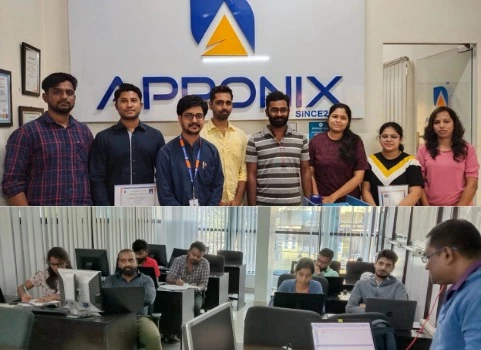
Ethical Hacking Training
Program Highlights
- Certified & Experienced Trainers
- Lab-Based Practical Sessions
- Full Placement Assistance
- Weekend and Online Batches Available
- Real-World Cybersecurity Projects
Is it legal to take this course?
Yes, ethical hacking is legal and it is also legal to learn the practice of ethical hacking.
The tools used in the white hat hacking will be similar to black-hat hacking but since you will be certified, you will always be working from the right side of the law.
Will I get a job after taking this course?
Yes, companies from all sectors of the economy need the services of ethical hackers to keep the IT infrastructure safe. Hence, whether you want to get a job in India or abroad, your chances of getting employed will be high – especially when compared to non-certified ethical hackers.
Ethical Hacking Training
Who will take the classes?
All of our highly qualified trainers with at least 7+ years of experience in ethical hacking and working in the areas of cybersecurity and IT service and architecture.
Each of them has gone through a good selection process that includes profile screening, technical evaluation, and a training demo before they are certified to train for us.
We also ensure that only those trainers with a high alumni rating remain on our faculty.
Why take this course?
You need to take this course if you want to have an exciting career in IT.
Compared to software development and web development, the challenges that come with ethical hacking will always leave you wanting more.
A career in ethical hacking will not be a boring one and the best part, you will be paid well too!