POPULAR COURSES
Master Programs




Table of contents:
|
1. What Are DevOps Engineer Technical Skills? |
|
2. Core Technical Skills For Devops Job Roles
|
|
3. DevOps Engineer Technical Skills For Freshers |
|
4. How To Build Strong DevOps Engineer Technical Skills |
|
5. Salary Impact of Technical Depth |
|
6. Conclusion |
|
7. Frequently Asked Questions |
Modern DevOps is no longer confined to automation scripts or release pipelines. It is about engineering reliability, scalability, security, and speed into complex software delivery ecosystems.
As a trainer working closely with enterprise learners at Apponix, I often emphasise that mastering DevOps Engineer Technical Skills is about understanding systems end-to-end, not just tools in isolation. This is exactly what we follow in our DevOps course in Bangalore.
Recruiters in 2026 are not impressed by theoretical knowledge alone. They assess whether a candidate can deploy infrastructure, build CI/CD pipelines, containerise applications, monitor production systems, and integrate security seamlessly.
Understanding the complete spectrum of Skills of DevOps Engineer roles is essential for professionals preparing for serious enterprise environments.
What Are DevOps Engineer Technical Skills?
DevOps Engineer Technical Skills refer to the practical engineering capabilities required to design, automate, deploy, monitor, and secure applications across cloud and hybrid infrastructure environments.
These DevOps Technical Skills combine cloud architecture, automation frameworks, container orchestration, observability systems, and secure delivery pipelines into a unified operational model.
In real enterprise projects, DevOps skills are about integrating people, processes, and platforms, but technical execution remains the foundation.
Core Technical Skills For Devops Job Roles
Below are the most critical Technical Skills For Devops Job success in modern cloud-native organisations.
Cloud Platform Engineering

Cloud infrastructure is the backbone of DevOps implementation.
A professional with strong DevOps Technology Skills must understand:
• Virtual networking (VPCs, VNets, subnets, routing tables)
• Load balancing and traffic management
• Auto-scaling configuration
• Identity and access management policies
• Storage tiers and cost optimisation
• High availability and disaster recovery planning
Without cloud fluency, automation pipelines cannot operate reliably.
At Apponix, we ensure learners deploy complete cloud environments manually before automating them. This builds architectural intuition.
Continuous Integration & Continuous Deployment (CI/CD)
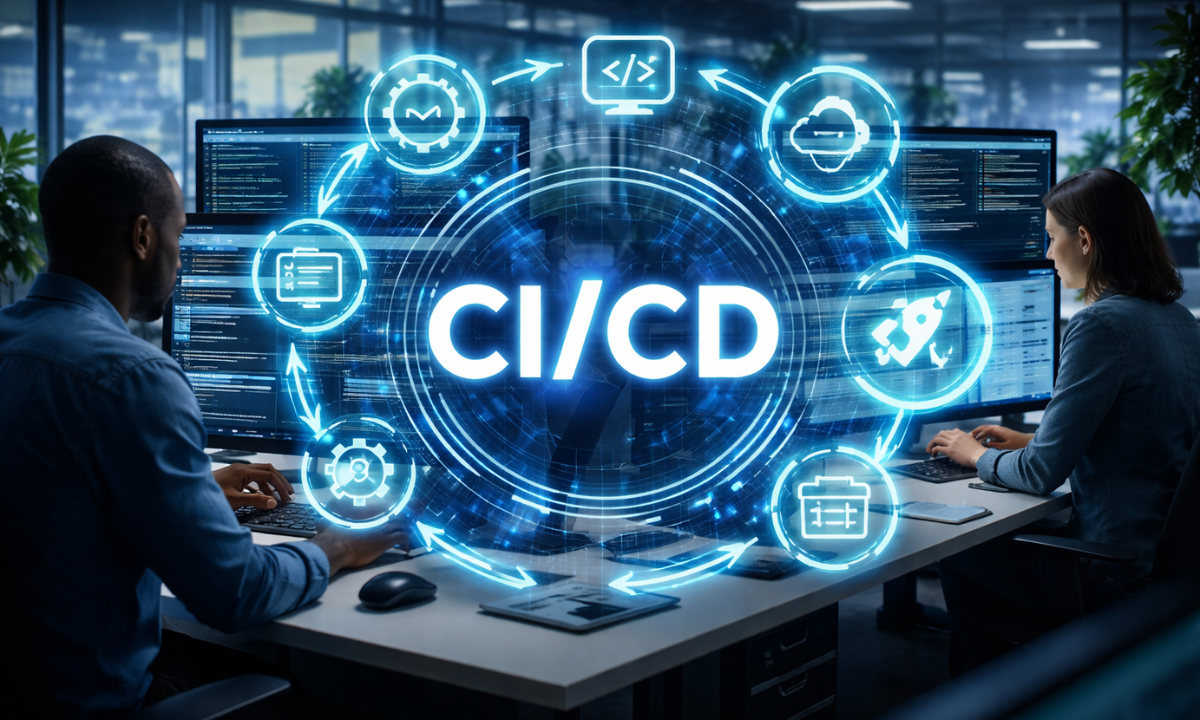
CI/CD is the operational heart of DevOps.
Strong DevOps Engineer Technical Skills include:
• Writing YAML pipeline configurations
• Automating build and test stages
• Integrating static code analysis tools
• Designing release workflows
• Configuring rollback and blue-green deployments
DevOps Tools widely used:
• Azure DevOps
• Jenkins
• GitHub Actions
• GitLab CI
Enterprise recruiters prioritise CI/CD depth when evaluating Technical Skills For Devops roles.
In our DevOps batches at Apponix, learners build pipelines from scratch rather than relying on templates. Real understanding develops through controlled failure scenarios.
Infrastructure as Code (IaC)

Manual server provisioning is inefficient and risky.
Infrastructure as Code enables predictable, version-controlled deployments.
Core capabilities include:
• Writing Terraform modules
• Managing Azure ARM templates
• Implementing Bicep configurations
• State management and remote backends
• Version-controlling infrastructure repositories
IaC is a non-negotiable component of the skills of a DevOps Engineer in enterprise cloud environments.
Containerisation and Kubernetes
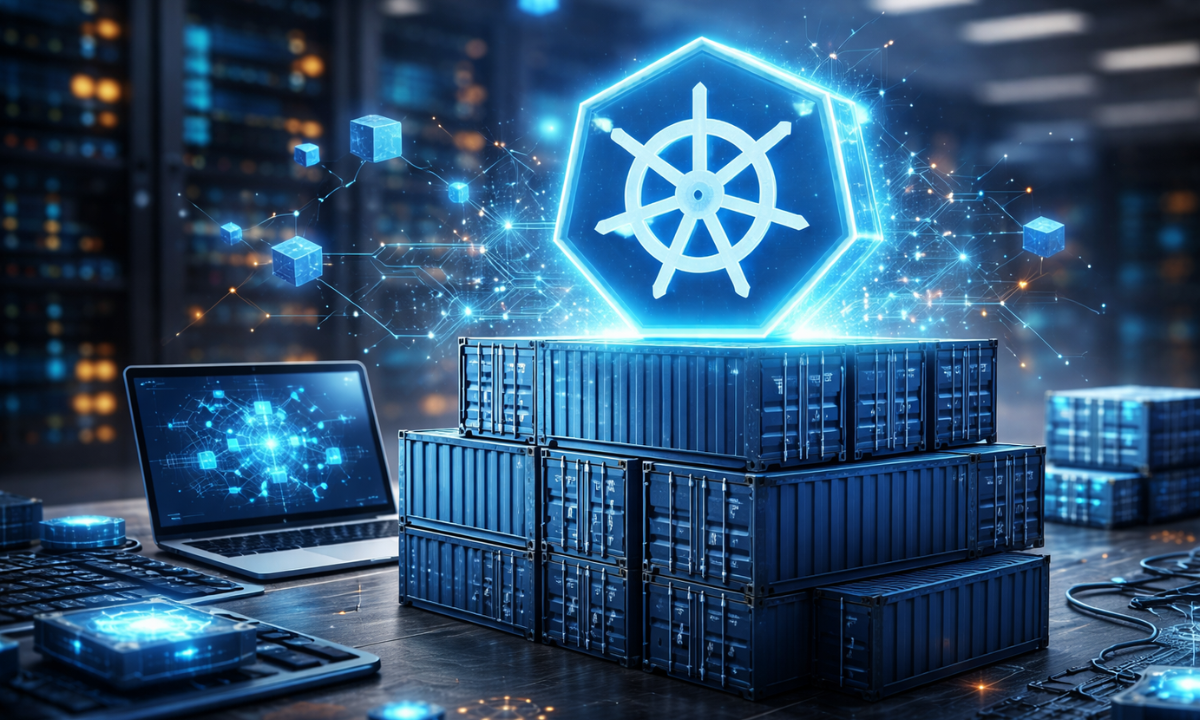
Container orchestration defines modern deployment standards.
Strong DevOps Engineer Technical Skills required:
• Docker image creation and optimisation
• Container registry management
• Kubernetes cluster configuration
• Pod lifecycle and service networking
• Horizontal Pod Autoscaling
• Helm chart deployment
According to the CNCF Kubernetes Adoption Survey, enterprise Kubernetes adoption continues to expand, making this a strategic skill.
At Apponix, we train candidates to deploy multi-tier applications on Kubernetes clusters with scaling simulations.
Scripting and Automation Engineering

Automation is central to DevOps Technical Skills.
DevOps professionals must demonstrate:
• Bash scripting
• PowerShell automation
• Python scripting
• API integrations
• Task schedulers
Automation reduces configuration drift and human error.
In interviews, recruiters frequently test scripting capability to assess problem-solving depth.
Monitoring, Logging & Observability

Deployment without monitoring is incomplete.
Core monitoring capabilities include:
• Azure Monitor configuration
• Prometheus metrics collection
• Grafana dashboard creation
• ELK Stack log aggregation
• Alert policy configuration
• Incident management automation
Strong monitoring expertise ensures system reliability and performance optimisation.
Security Integration (DevSecOps)

Security integration distinguishes average engineers from enterprise-level professionals.
Advanced DevOps Technology Skills include:
• Vulnerability scanning (Snyk, Trivy)
• Secret management
• Role-based access control (RBAC)
• Compliance automation
• Secure container configuration
• Pipeline security enforcement
Security is embedded, not added later.
DevOps Engineer Technical Skills For Freshers
Freshers should focus on building foundations first:
• Linux administration
• Git version control
• Basic cloud services
• CI/CD concepts
• Introductory scripting
At Apponix, we advise beginners not to jump straight into Kubernetes before mastering Linux and networking fundamentals.
A structured DevOps Course In Bangalore provides:
• Hands-on lab environments
• Real-time deployment exercises
• Resume preparation
• Mock technical interviews
• Placement guidance
Practical exposure bridges the gap between certification and employability.
How To Build Strong DevOps Engineer Technical Skills
A structured progression is essential:
-
Master Linux and networking fundamentals
-
Deploy cloud resources manually
-
Build CI/CD pipelines independently
-
Containerise sample applications
-
Automate infrastructure using Terraform
-
Implement monitoring dashboards
-
Integrate security scanning
Hands-on execution builds confidence and credibility.
Salary Impact of Technical Depth
Strong Technical Skills For Devops Job roles directly influence compensation.
India Salary Range (2026)
Mid-Level: ₹10–18 LPA
Senior-Level: ₹20–35 LPA
Architect-Level: ₹40+ LPA
Recruiters reward real engineering depth over certificate accumulation.
Sources such as Glassdoor India and AmbitionBox confirm that DevOps professionals with Kubernetes and IaC expertise earn higher packages.
Conclusion
Mastering DevOps Engineer Technical Skills requires structured learning, disciplined practice, and real-world exposure. Modern DevOps is not merely about tool familiarity; it is about building resilient, secure, scalable systems capable of supporting enterprise transformation.
As a trainer at Apponix, I consistently observe that candidates who combine cloud engineering, CI/CD pipelines, infrastructure automation, container orchestration, monitoring, and security integration stand out significantly in interviews.
For aspiring professionals seeking structured mentorship and practical implementation exposure, enrolling in a hands-on DevOps Course In Bangalore can accelerate career progression and bridge the gap between knowledge and employability.
DevOps engineering in 2026 is engineering excellence in motion.
Frequently Asked Questions
What are DevOps Engineer Technical Skills?
DevOps Engineer Technical Skills include cloud engineering, CI/CD pipeline creation, infrastructure as code implementation, container orchestration, scripting, monitoring, and security automation. These skills enable engineers to automate, deploy, and maintain scalable applications. In enterprise roles, practical implementation ability matters more than theoretical understanding. Recruiters assess hands-on project experience during technical interviews.
What are Technical Skills For Devops Job Interviews?
Recruiters typically evaluate cloud deployment capability, Kubernetes knowledge, pipeline automation, and scripting proficiency. Scenario-based questions test how candidates handle scaling, failures, and monitoring. Interviewers may ask candidates to design CI/CD workflows or explain infrastructure automation strategies. Practical troubleshooting knowledge is highly valued.
Are DevOps Technical Skills more important than soft skills?
Technical competence is mandatory for DevOps hiring, as the role requires direct system implementation. However, communication and collaboration skills are also important since DevOps bridges development and operations teams. Strong technical ability without teamwork capability limits growth. A balance of both ensures long-term success.
How can freshers build DevOps Technology Skills?
Freshers should begin with Linux fundamentals and Git version control before progressing to cloud services and CI/CD tools. Building small deployment projects helps reinforce understanding. Structured training, lab practice, and guided mentorship accelerate skill acquisition. Consistent hands-on experimentation is the fastest learning method.
References
Microsoft Learn – Azure DevOps Documentation
https://learn.microsoft.com
DORA State of DevOps Report – Google Cloud
https://cloud.google.com/devops
CNCF Kubernetes Adoption Survey
https://www.cncf.io
Gartner Cloud Forecast Reports
https://www.gartner.com
Glassdoor India – DevOps Engineer Salary Insights
https://www.glassdoor.co.in
AmbitionBox India – DevOps Salary Data
https://www.ambitionbox.com

Apponix Academy
Apponix Academy