POPULAR COURSES
Master Programs


Table of contents:
|
1. Your Morning Starts With Data Science |
|
2. Netflix and Spotify: The Recommendation Revolution |
|
3. Google Maps: Predicting Your Commute |
|
4. E-Commerce: Why Prices Change While You Shop |
|
5. Healthcare: AI That Saves Lives |
|
6. Banking: Your Silent Financial Guardian |
|
7. Agriculture: From Fields to Forecasts |
|
8. The Common Thread |
|
9. Frequently Asked Questions |
Here's a question worth sitting with: How many times did Data Science affect your day-to-day — before you even had your morning coffee?
Probably more than you think. Let's walk through a typical day and see just how deeply embedded Data Science has become in the fabric of everyday life.
Your Morning Starts With Data Science
Your phone alarm goes off. You check the weather — that forecast was generated by a machine learning model trained on decades of atmospheric data. You scroll through your Instagram feed — the order of those posts was decided by a recommendation algorithm analyzing your engagement history, the time of day, and millions of other signals.
Before you've left your bedroom, Data Science has already shaped your experience at least three times.
Netflix and Spotify: The Recommendation Revolution
Netflix saves approximately $1 billion annually in customer retention costs because of its recommendation system. When the platform suggests a show, it's drawing on your viewing history, the viewing histories of users similar to you, content metadata, time-of-day patterns, and dozens of other signals.
Spotify's Discover Weekly playlist — one of the most loved features in music streaming — uses collaborative filtering and natural language processing of music blogs and reviews to curate 30 songs it thinks you'll love. And it's right far more often than it's wrong.
Google Maps: Predicting Your Commute
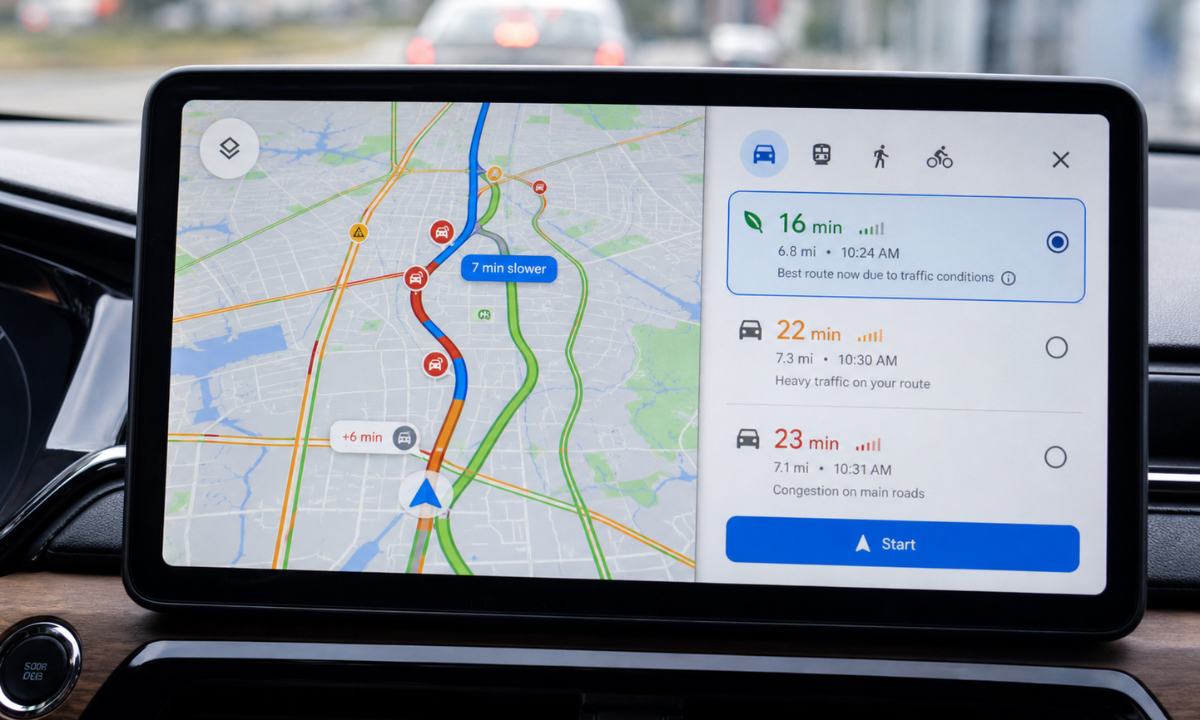
Google Maps processes over 1 billion kilometers of directions every day. The traffic predictions aren't just based on current data — they're based on historical patterns for that specific road, at that specific time, on that specific day of the week, and real-time GPS data from millions of devices.
The result is an ETA that's accurate to within minutes, even in complex urban traffic environments.
E-Commerce: Why Prices Change While You Shop
If you've noticed that prices on Amazon or Flipkart sometimes change within hours, that's dynamic pricing powered by Data Science. Algorithms monitor competitor prices, demand signals, inventory levels, and your own browsing behavior to adjust prices in real time — potentially hundreds of times a day for a single product.
This isn't manipulation — it's optimization. The same technology helps ensure popular items stay in stock and that discounts reach the customers most likely to buy.
Healthcare: AI That Saves Lives
Google DeepMind's AI system, trained on retinal scans, can detect over 50 eye diseases with accuracy matching top ophthalmologists. In oncology, AI models trained on medical images identify early-stage cancers at rates that outperform human diagnosticians in controlled studies.
In Indian hospitals, predictive models are being deployed to anticipate ICU admissions, optimize surgical scheduling, and flag patients at high risk of complications.
Banking: Your Silent Financial Guardian
Every time you use your debit or credit card, a Data Science model is running in the background — checking whether that transaction matches your historical patterns. The entire process takes milliseconds. If something seems off, you get an SMS or your card gets temporarily blocked.
This invisible protection has saved customers globally from hundreds of billions in potential fraud losses.
Agriculture: From Fields to Forecasts
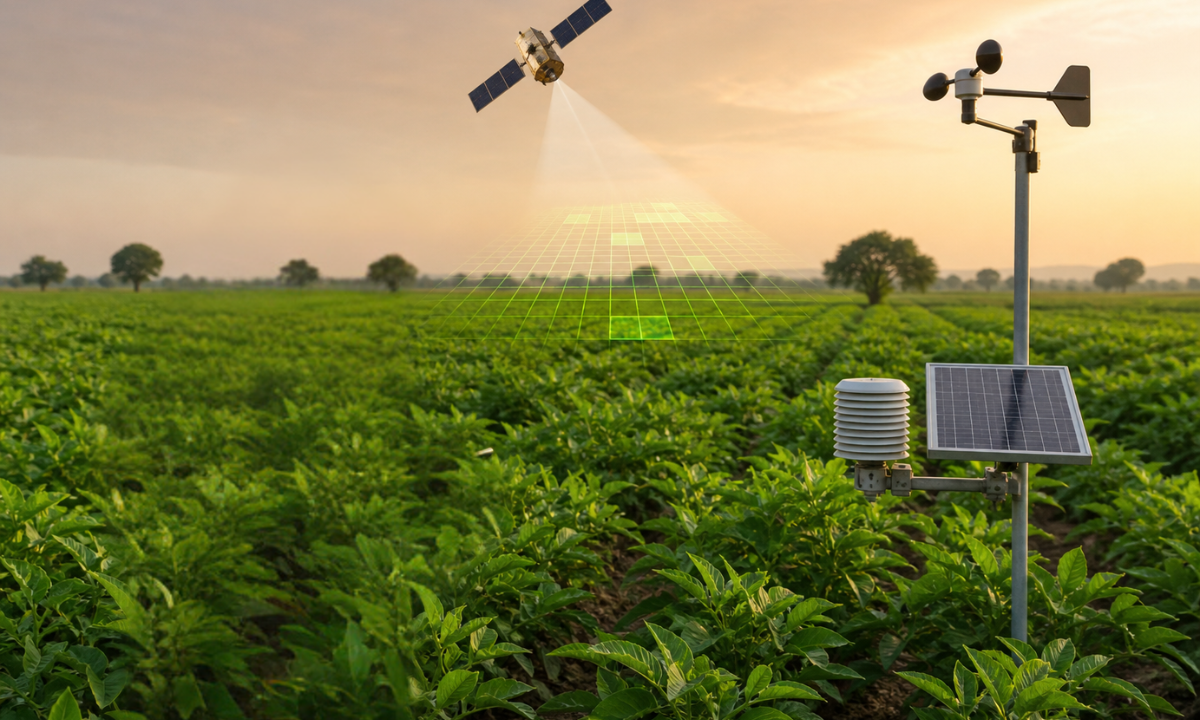
In India, companies like AgroStar and CropIn use satellite imagery, IoT sensor data from farms, and machine learning to help farmers predict crop yields, identify pest risks early, and optimize irrigation schedules.
This isn't just convenient — it's potentially transformative for food security in a country where agriculture employs over 40% of the workforce.
The Common Thread
Every single one of these examples follows the same basic pattern: collect data, identify patterns, make predictions or recommendations, measure outcomes, and improve. That's Data Science — and now you see it everywhere.
If this excites you as much as it should, consider enrolling in the Data Science course in Bangalore at Apponix, a top training institute in Bangalore with a curriculum designed around real-world applications.
Frequently Asked Questions
Q1: Is Data Science used in social media?
Extensively. Content ranking, ad targeting, hate speech detection, trend identification, and user engagement optimization are all Data Science applications on platforms like Meta, X, and LinkedIn.
Q2: How does Netflix use Data Science beyond recommendations?
Netflix uses Data Science for thumbnail selection (testing which thumbnail image makes you more likely to click), content acquisition decisions, and even determining which original shows to produce.
Q3: What data does Google Maps use to predict traffic?
Google Maps aggregates anonymized GPS data from Android devices, historical traffic patterns, incident reports, and real-time data from road sensors and partner sources.
Q4: How is Data Science helping fight climate change?
Data Science is used to model climate systems, optimize energy grid management, predict extreme weather events, and analyze deforestation patterns via satellite imagery.
Q5: Can Data Science be used in education?
Yes — adaptive learning platforms use Data Science to personalize the learning journey for each student, identifying knowledge gaps and adjusting content difficulty in real time.

Apponix Academy
Apponix Academy