POPULAR COURSES
Master Programs




Table of contents:
|
1. Key Points Covered in This Blog |
|
2. Why Digital Marketing Skills Matter More Than Tools |
|
3. Skill 1: Understanding Digital Marketing Fundamentals |
|
4. Skill 2: Search Engine Optimisation (SEO) |
|
5. Skill 3: Content Marketing and Copywriting |
|
6. Skill 4: Social Media Marketing |
|
7. Skill 5: Paid Advertising (PPC Skills) |
|
8. Skill 6: Email Marketing and Automation |
|
9. Skill 7: Analytics and Data Interpretation |
|
10. Skill 8: Marketing Strategy and Planning |
|
11. Skill 9: Marketing Tools and Technology |
|
12. Skill 10: Professional Communication and Reporting |
|
13. How Practical Training Strengthens Digital Marketing Skills |
|
14. Why Choosing the Right Training Institute Matters |
|
15. Who Benefits Most from Learning These Skills |
|
16. Final Thoughts |
|
17. FAQs |
Digital marketing skills are the real outcome most learners expect when they join a professional digital marketing course. When I started exploring digital marketing, I quickly realised that it’s not just about learning tools but about developing a complete skill set that helps you think, plan, execute, and analyse online campaigns.
A structured course focuses on building these skills step by step, especially for beginners. In this blog, I will break down the core digital marketing skills you actually develop during a professional course in a simple and practical way.
By the end of this blog, you will clearly understand which skills truly matter and how they shape your growth as a digital marketer.
Key Points Covered in This Blog
-
What digital marketing skills do you develop in a professional course
-
The most important digital marketing key skills for beginners
-
A clear explanation of 10 digital marketing skills employers look for
-
The balance between creative and digital marketing technical skills
-
How practical training helps you master these skills
-
Why choosing the right training institute in Bangalore matters
Why Digital Marketing Skills Matter More Than Tools
Many people think digital marketing is only about tools and software. In reality, tools change often, but skills stay valuable for years.
A professional course focuses on building strong fundamentals that help you adapt.
That’s why learning digital marketing skills properly is more important than memorising platforms.
Skill 1: Understanding Digital Marketing Fundamentals

The first skill you develop is understanding how digital marketing actually works. You learn how different channels like search engines, social media, and emails connect together.
This clarity helps you see the bigger picture, not just isolated tactics. Without this foundation, advanced strategies don’t make much sense.
|
What You Learn |
Why It Matters |
|
Marketing funnels |
Understand customer journeys |
|
Online branding |
Build trust digitally |
|
Audience targeting |
Reach the right users |
Skill 2: Search Engine Optimisation (SEO)

SEO is one of the most in-demand digital marketing key skills. You learn how websites rank on Google and how users search for information.
A professional course teaches keyword research, on-page SEO, and link building. This skill helps businesses grow organic traffic without paid ads.
Beginner Tip:
Focus on one keyword and one page first to understand SEO deeply.
Skill 3: Content Marketing and Copywriting

Content marketing builds your ability to communicate clearly online. You learn how to write blogs, landing pages, and ad copies that convert.
This skill improves both creativity and strategy. Good content connects brands with people, not just algorithms.
|
Content Type |
Skill Developed |
|
Blogs |
Informative writing |
|
Landing pages |
Conversion-focused content |
|
Ad copies |
Persuasive messaging |
Skill 4: Social Media Marketing

Social media marketing teaches you how brands interact with audiences daily. You learn platform-specific strategies for Instagram, Facebook, LinkedIn, and more.
This skill involves content planning, posting schedules, and performance analysis. It’s one of the most practical digital marketing skills for beginners.
Skill 5: Paid Advertising (PPC Skills)

Paid ads help you learn how to generate quick and measurable results. You understand how Google Ads and social media ads work.
A course teaches you budgeting, targeting, and campaign optimisation. This skill is especially valuable for performance marketing roles.
Skill 6: Email Marketing and Automation

Email marketing develops long-term communication skills. You learn how to build email lists and send personalised campaigns.
Automation tools help you save time while improving engagement. This skill is powerful for both businesses and freelancers.
|
Email Skill |
Practical Use |
|
List building |
Audience growth |
|
Campaign creation |
Customer retention |
|
Automation |
Time efficiency |
Skill 7: Analytics and Data Interpretation

Analytics is one of the most important digital marketing technical skills. You learn how to track traffic, conversions, and user behaviour.
A professional course simplifies data so it’s easy to understand. This skill helps you make smarter marketing decisions.
Skill 8: Marketing Strategy and Planning

Strategy connects all digital marketing efforts. You learn how to plan campaigns based on goals and budgets.
This skill helps you avoid random posting or advertising. A good strategy makes marketing more effective and consistent.
Skill 9: Marketing Tools and Technology
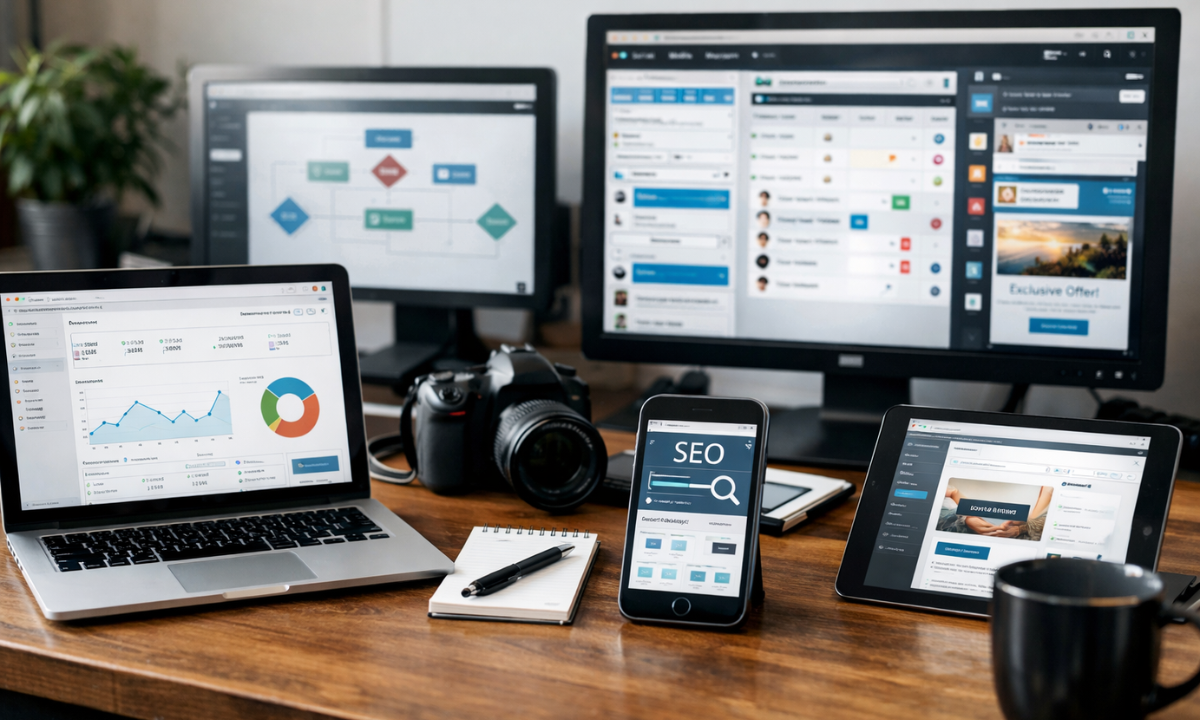
Professional courses expose you to real-world tools used by marketers. You learn how to work with analytics, SEO, and automation platforms.
This builds confidence and job readiness. Tools support your skills, not replace them.
|
Tool Category |
Examples |
|
Analytics |
Google Analytics |
|
SEO |
Search Console |
|
Ads |
Meta Ads Manager |
|
|
Campaign tools |
Skill 10: Professional Communication and Reporting

Reporting teaches you how to explain results clearly. You learn to present data to clients or teams in simple terms.
This skill improves confidence and professionalism. It’s one of the most underrated yet important skills.
How Practical Training Strengthens Digital Marketing Skills
Practical learning makes skills stick. You work on live projects, real campaigns, and case studies.
Mistakes become learning opportunities. This experience prepares you for real-world marketing challenges.
Why Choosing the Right Training Institute Matters
A good training institute in Bangalore offers structured learning and mentorship. You benefit from expert guidance and doubt-clearing sessions.
Professional institutes focus on skill development, not just theory. This environment helps beginners grow faster and more confidently.
Who Benefits Most from Learning These Skills
Students, working professionals, and entrepreneurs benefit equally. Career switchers find digital marketing flexible and future-proof.
Freelancers use these skills to build independent careers. Anyone willing to learn can succeed in this field.
Final Thoughts
A professional digital marketing course helps you develop practical, in-demand skills that go beyond theory. When taught correctly, these skills prepare you for jobs, freelancing, and business growth.
If you are considering a digital marketing training course in Bangalore, focus on skill-based learning and real projects. That’s why many learners choose our institute, Apponix, to build strong digital marketing skills with the right guidance.
FAQs
1. Are digital marketing skills hard to learn?
No, digital marketing skills are not hard to learn when taught in a structured, step-by-step manner. Most concepts start from the basics and build gradually. With regular practice and hands-on projects, beginners can understand and apply these skills comfortably.
2. How long does it take to develop strong digital marketing skills?
Most learners begin gaining confidence within two to three months of consistent learning and practice. However, developing strong and advanced digital marketing skills takes time, experimentation, and real-world application. Continuous learning helps improve expertise as platforms and trends evolve.
3. Do digital marketing skills help in freelancing?
Yes, digital marketing skills are extremely useful for freelancing. Many freelancers manage SEO, social media, ads, and content marketing for multiple clients. These skills allow individuals to work independently, build a client base, and generate income without being tied to a full-time job.
4. Are technical skills mandatory for digital marketing?
No, advanced technical or coding skills are not mandatory for digital marketing. Basic computer knowledge and familiarity with the internet are enough to get started. Most tools and platforms are user-friendly, and professional courses teach everything required from scratch.

Apponix Academy
Apponix Academy