POPULAR COURSES
Master Programs




Table of contents:
| 1. Understanding What Is Cloud Computing |
| 2. The Scope for Cloud Computing in India: Why It’s Huge |
|
3. Why Bangalore Stands Out: Cloud Computing in Bangalore
|
| 4. Training & Certification: How Cloud Computing Course in Bangalore Make a Difference |
| 5. Cloud Computing Companies in Bangalore: The Demand Creators |
| 6. How I Guide Learners: What to Expect from Training at Apponix |
| 7. Challenges & Why Smart Choice Matters |
| 8. Final Thoughts |
| 9. FAQs |
When I talk about cloud computing in India, I always highlight how we, as trainers at Apponix, see Bangalore leading the charge. In this city, individuals seeking a cloud computing course in Bangalore find more than just a classroom; they find a vibrant ecosystem of opportunity, innovation, and rapid growth.
Today, I want to share why Bangalore is rising as the centre for cloud adoption and how that shapes a bright future for students and professionals alike.
Understanding What Is Cloud Computing
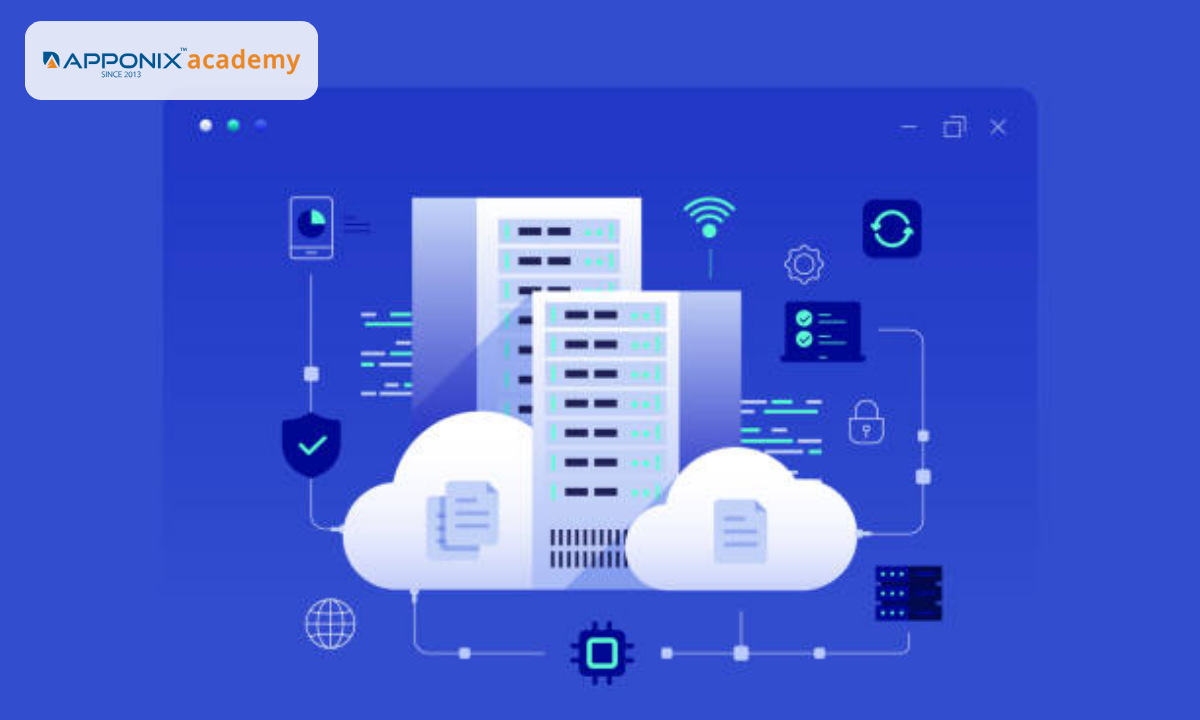
Cloud computing at its core refers to providing computing services such as servers, storage, databases, networking, and software over the Internet rather than local servers or personal devices.
This means users and businesses can access resources on demand, scale easily, and avoid heavy upfront infrastructure costs.
In practical terms, if you deploy applications or services on cloud platforms, you don’t have to worry about physical hardware, maintenance or upgrades. That flexibility and scalability are what make cloud computing a powerful enabler for modern businesses.
The Scope for Cloud Computing in India: Why It’s Huge
India’s digital transformation is accelerating, and cloud adoption plays a big role in that. As organisations from startups to large enterprises shift to remote work, hybrid infrastructure, and online services, demand for cloud-native solutions has surged. That means a greater need for skilled professionals who understand cloud architectures, deployment, security, and management.
This growing demand expands the scope for cloud computing throughout the country. Businesses need cloud architects, cloud engineers, DevOps professionals, and system administrators.
Demand isn’t limited to one sector; e-commerce, fintech, healthcare, edtech, and enterprise SaaS all require cloud expertise. For people looking to enter or upskill in tech, that scope makes cloud computing one of the most reliable career paths today.
Why Bangalore Stands Out: Cloud Computing in Bangalore
There are several reasons why Bangalore has emerged as a powerhouse for cloud adoption and cloud services:
1. Thriving IT & Tech Ecosystem
As India’s Silicon Valley, Bangalore hosts many global IT firms, startups, and enterprises migrating to the cloud for scalability and agility. This concentration of companies drives demand for cloud services.
2. Data-centre & Infrastructure Growth
The growing data-centre market in Bengaluru supports this transition expansion of data-centre capacity attracts cloud service providers and enterprises looking for reliable infrastructure.
3. Proliferation of Cloud Service Providers in India
Many of the leading names in cloud computing are present in Bangalore. These providers cater to enterprises needing cloud migration, managed services, and ongoing support, creating robust employment opportunities.
4. Availability of Training and Talent Pool
Owing to demand, Bangalore has many institutions offering cloud computing training. As a trainer here, I see a steady stream of eager learners enrolling for cloud computing certification and practical courses. This creates a virtuous cycle: skilled professionals are available for companies, which in turn attracts more cloud business.
Because of these factors, cloud computing in Bangalore is not just a buzzword; it’s a reality shaping hundreds of companies and thousands of jobs.
Training & Certification: How Cloud Computing Course in Bangalore Make a Difference
As a trainer, I’ve witnessed how a well-structured cloud computing course in Bangalore transforms beginners into industry-ready professionals. Such programmes cover essential aspects:
Fundamentals: virtualisation, networking, storage, and cloud service models (IaaS, PaaS, SaaS).
Hands-on exposure: working with major cloud platforms (AWS, Azure, Google Cloud), deploying servers, managing workloads, and ensuring cloud security.
Advanced skills: automation, DevOps practices, cloud architecture, containerisation and orchestration are all vital in modern cloud work.
Certification guidance: Preparing students for globally recognised cloud computing certification credentials that boost their credibility during hiring.
Cloud computing courses offered here often include lab environments, real-time projects, mentorship, and sometimes placement support. For many, this is the bridge between academic knowledge and real-world work.
Cloud Computing Companies in Bangalore: The Demand Creators
Because Bangalore hosts many of the top cloud computing companies in Bangalore and cloud computing service providers in India, professionals trained here have a ready job market. These companies provide end-to-end cloud solutions, migration support, managed infrastructure, consulting, security services and help businesses across India and globally.
Besides global giants, local and medium-sized firms contribute significantly to demand. Their diverse service portfolio, from managed services to cloud consulting, creates a wide range of roles for cloud-certified professionals.
This industry demand, coupled with constant innovation in AI workloads, big data, SaaS, and multi-cloud strategies, means the need for cloud-skilled manpower stays strong.
How I Guide Learners: What to Expect from Training at Apponix
From my trainer’s seat, here’s how we help students get ready for cloud careers:
-
We start with the basics: make sure you understand what cloud computing is, service models, deployment models, benefits, and limitations.
-
Hands-on lab sessions on real cloud platforms: create virtual machines, configure storage, set up networks, manage permissions, and handle deployments.
-
Introduce cloud-native tools: containerisation, scripting, infrastructure as code, and monitoring skills that modern cloud roles demand.
-
Career Counselling: We provide mock interviews, resume building, and career counselling to help with placement. Many cloud computing companies in Bangalore value certified, trained talent over freshers without exposure.
-
Continuous learning: We encourage learning about cloud platforms that are evolving rapidly; certification, self-study, projects, and real-world exposure help build long-term growth.
Challenges & Why Smart Choice Matters
While the opportunities are many, there are a few challenges to keep in mind:
-
Rapid change: Cloud technologies evolve fast. Certification or a course from a few years ago may not be enough; continuous learning is essential.
-
Competition: Because many people enrol in cloud computing courses in Bangalore, competition for top roles can be stiff. Differentiation via specialisation (security, DevOps, multi-cloud) helps.
-
Quality of training matters: not all courses or institutes offer hands-on learning. Choosing a good training institute with real labs and practical exposure is vital for success.
That’s why I often tell students: treat training as an investment, not just a credential; the outcome depends equally on how much effort you put in personally.
Final Thoughts
Cloud computing in India is no longer just the future; it’s the present. And Bangalore stands at the epicentre of this transformation. With abundant cloud computing service providers in India, a thriving data centre ecosystem, and a large number of companies migrating workloads to the cloud, there has never been a better time to build a career in the cloud.
If you enrol for a cloud computing course in Bangalore at Apponix Training Institute in Bangalore and get the right cloud computing certification and stay updated with practical skills, your opportunities will span from cloud engineer to architect, from infrastructure specialist to DevOps or cloud security roles.
From my experience as a trainer, I can confidently say: invest in learning now, stay curious, and you’ll find yourself working with leading cloud computing companies in Bangalore or beyond.
Let this city, this hub of innovation, be the launchpad for your cloud journey.
FAQs
Q: What is cloud computing?
Cloud computing means delivering computing services – servers, storage, databases, networking, and software – over the Internet. Rather than managing hardware yourself, you access resources on demand, scaling up or down as needed.
Q: Why is Bangalore so popular for cloud computing jobs?
Bangalore hosts many cloud service providers and data centres, has excellent infrastructure, and benefits from a large pool of trained professionals. This concentration creates high demand for cloud talent.
Q: Does a cloud computing course guarantee a job?
A course helps build skills and certification, but success depends on how well you learn and apply the knowledge. Practical labs, hands-on practice and continuous learning improve your chances significantly.
Q: Which skills are most in demand in cloud computing roles?
Skills in cloud platforms (AWS, Azure, GCP), virtualisation, networking, infrastructure automation, DevOps practices, security, containerisation and multi-cloud management are especially valuable.
Q: How often should I update my cloud knowledge?
Very often. Cloud platforms evolve rapidly, and new services, security practices, and architectures often emerge. Staying up-to-date with the latest tools, certifications and projects ensures long-term growth.

Apponix Academy
Apponix Academy