POPULAR COURSES
Master Programs

Table of contents:
|
1. Key Takeaways |
|
2. What Python is, and Why Is It Still Popular in 2026? |
|
3. Python Language for Beginners: Why It’s Easier Than You Think |
|
4. Basics of Python Language You Must Master First |
|
5. Basic of Python Program: Learning by Doing |
|
6. How I Learn Python in 2026: A Practical Strategy |
|
7. Python Topics That Matter in 2026 |
|
8. Why a Training Institute in Bangalore Makes a Difference |
|
9. Classroom Learning vs Self-Study: A Quick Comparison |
|
10. Tips to Learn Python Faster in 2026 |
|
11. Final Thoughts |
|
12. FAQs |
In today’s fast-evolving tech world, finding the best way to learn Python has become essential for anyone aiming to build a future-ready career in software development, data science, or automation.
We see Python everywhere, from startups to global enterprises, because it is powerful, flexible, and beginner-friendly. As we step into 2026, learning Python the right way can save time, effort, and confusion.
If you are considering a Python course in Bangalore, this guide will help you understand what truly works and what doesn’t. Read till the end as we break down practical strategies, real-world examples, and insider tips that can transform how you learn Python in 2026.
Key Takeaways
-
Understand what Python is and why it remains relevant in 2026
-
Learn how beginners can approach the Python language for beginners
-
Get clarity on the basics of the Python language with examples
-
Explore a structured way to practise the basics of a Python program.
-
Discover proven answers to how I learn Python effectively
-
Know the most important Python topics to focus on
-
See why choosing the right Training Institute in Bangalore matters
-
Understand how a classroom and practical approach accelerates learning
What Python is, and Why Is It Still Popular in 2026?
Before choosing the best learning path, we must clearly understand what Python is. Python is a high-level programming language known for its simple syntax and wide range of applications. It is used in web development, artificial intelligence, data analytics, automation, cloud computing, and cybersecurity.
Even in 2026, Python continues to dominate because companies prefer faster development cycles and scalable solutions. We also see Python being adopted heavily in startups as well as enterprise projects. This makes Python a safe and future-proof skill to invest in.
Python Language for Beginners: Why It’s Easier Than You Think
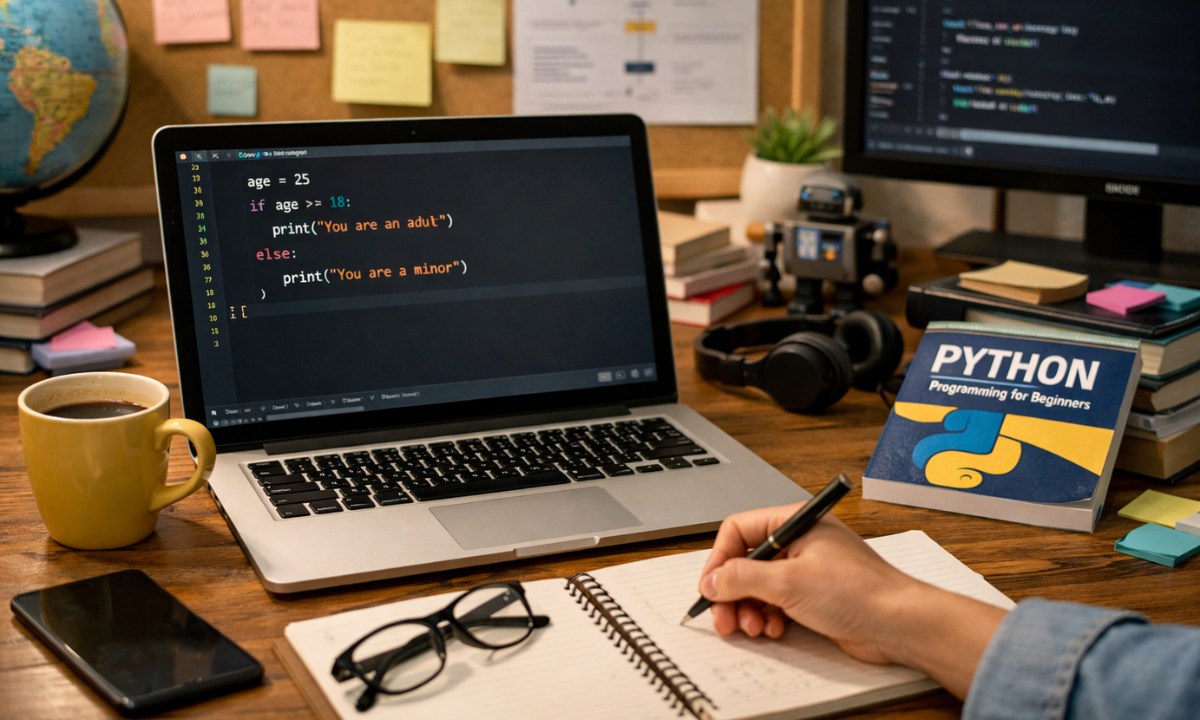
One major reason Python is loved worldwide is its beginner-friendly nature. The Python language for beginners focuses more on logic and problem-solving rather than complex syntax. We don’t need to memorise difficult rules to start coding.
Here’s why beginners feel comfortable with Python:
|
Feature |
Why It Helps Beginners |
|
Simple syntax |
Reads almost like English |
|
Fewer lines of code |
Faster learning and execution |
|
Huge community support |
Easy help and resources |
|
Multiple use cases |
One language, many careers |
Basics of Python Language You Must Master First
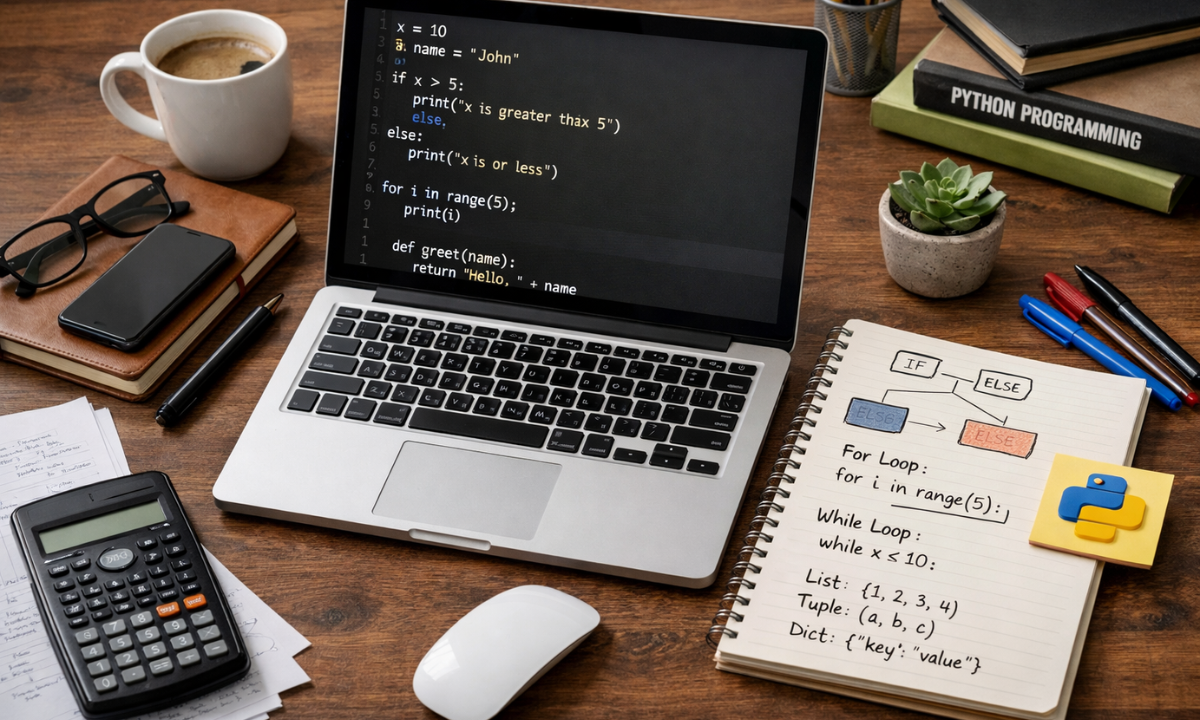
To truly understand Python, we should start with the basics of the Python language. Skipping fundamentals often leads to confusion later. We always recommend building a strong foundation before jumping into advanced topics.
Core basics include:
-
Variables and data types
-
Conditional statements
-
Loops
-
Functions
-
Lists, tuples, and dictionaries
Mastering these basics makes advanced learning smoother and more enjoyable.
Basic of Python Program: Learning by Doing
The fastest way to learn Python is by writing programs daily. Understanding the basics of Python programming means applying theory to practice. We don’t just read code; we write it, break it, and fix it.
Here’s a simple learning progression:
|
Stage |
What We Practice |
|
Print statements, variables |
|
|
Intermediate |
Loops, conditions |
|
Advanced |
Functions and mini projects |
This step-by-step approach builds confidence and coding discipline.
How I Learn Python in 2026: A Practical Strategy

Many learners ask how I learn Python without feeling overwhelmed. The answer lies in structure, consistency, and guidance. In 2026, self-learning alone is no longer enough for career-focused learners.
We recommend:
-
Learning from real-world examples
-
Practising daily for at least 1 hour
-
Working on live projects
-
Getting mentorship from industry experts
This approach helps bridge the gap between theory and practical application.
Python Topics That Matter in 2026
Not all topics carry equal weight. Focusing on the right Python topics ensures faster career growth. We suggest prioritising topics based on current industry demand.
|
Category |
Important Topics |
|
Core Python |
Data structures, OOP |
|
Web Development |
Flask, Django |
|
Data Science |
Pandas, NumPy |
|
Automation |
Scripting and APIs |
|
AI & ML |
Python with ML libraries |
Why a Training Institute in Bangalore Makes a Difference
Choosing the right training institute in Bangalore plays a crucial role in how fast and well we learn Python. Bangalore continues to be India’s tech capital, offering unmatched exposure to real-world projects and job opportunities.
Benefits include:
-
Industry-aligned curriculum
-
Hands-on project experience
-
Placement-oriented training
-
Peer learning and networking
This environment accelerates both learning and career readiness.
Classroom Learning vs Self-Study: A Quick Comparison
|
Aspect |
Classroom Training |
Self-Study |
|
Guidance |
Expert mentors |
Limited |
|
Structure |
Well-planned |
Often random |
|
Motivation |
High |
Depends on discipline |
|
Job readiness |
Strong |
Moderate |
Tips to Learn Python Faster in 2026
-
Practise coding daily, even for short durations
-
Revise basics before moving forward
-
Work on real-life use cases
-
Ask questions without hesitation
-
Learn from mistakes; it’s part of coding
Final Thoughts
Choosing the best way to learn Python in 2026 means combining strong fundamentals, practical exposure, and expert guidance. While self-learning has its place, enrolling in a structured Python course in Bangalore can significantly boost confidence, clarity, and career outcomes.
At Apponix, learners benefit from industry-focused training that prepares them for real-world challenges. With the right learning approach, Python can open doors to long-term growth across multiple technology domains.
FAQs
1. Is Python still worth learning in 2026?
Yes, Python remains one of the most in-demand programming languages due to its wide usage across AI, data science, web development, and automation.
2. How long does it take to learn Python?
With consistent practice and proper guidance, we can learn Python fundamentals in 2–3 months and become job-ready in 6 months.
3. Can beginners learn Python without coding experience?
Absolutely. Python is designed for beginners, and anyone with logical thinking can learn it easily.
4. Do I need a laptop with high specifications to learn Python?
No, we don’t need a high-end laptop to start learning Python. A basic system with a good internet connection and updated software is enough for beginners. As we move into advanced projects like data science or AI, slightly better specifications can be helpful.
5. Is Python useful for non-IT or career-switch professionals?
Yes, Python is extremely useful for non-IT professionals and career switchers. Its simple syntax and practical use cases make it easy to learn, even without a technical background. We can apply Python in automation, data analysis, and many business-related roles.
Apponix Academy
Apponix Academy