POPULAR COURSES
Master Programs




Table of contents:
|
1. Key Takeaways |
|
2. Strong Foundation in Core Concepts |
|
3. Hands-On Experience with Real Projects |
|
4. Essential Technical Skills |
|
5. Understanding Business Problems |
|
6. Communication and Storytelling Skills |
|
7. Familiarity with Data Science and AI Trends |
|
8. Problem-Solving Mindset |
|
9. Portfolio and GitHub Presence |
|
10. Adaptability and Willingness to Learn |
|
11. Certifications from Reputed Institutes |
|
12. Practical Tips to Impress Hiring Managers |
|
13. What Recruiters Prefer |
|
14. Final Thoughts |
|
15. FAQs |
Have you ever wondered why some fresh graduates land data science jobs quickly while others struggle despite having similar qualifications? In today’s competitive tech landscape, Data scientists are expected to bring more than just theoretical knowledge to the table. Employers are actively searching for candidates who can combine technical expertise with problem-solving abilities and real-world thinking.
If you are planning to build your career through a Data science course in Bangalore, understanding what hiring managers truly expect can give you a strong advantage. So, what exactly makes a fresher stand out in the eyes of recruiters? Let’s uncover the key expectations that can shape your success.
Key Takeaways
-
Hiring managers prioritise practical skills over just certifications
-
Strong Data scientist skills include coding, statistics, and business understanding
-
Projects and portfolios matter more than academic scores
-
Communication skills are critical for a Junior data scientist role
-
Knowledge of Data science and AI boosts employability
-
Continuous learning and adaptability are must-have traits
1. Strong Foundation in Core Concepts
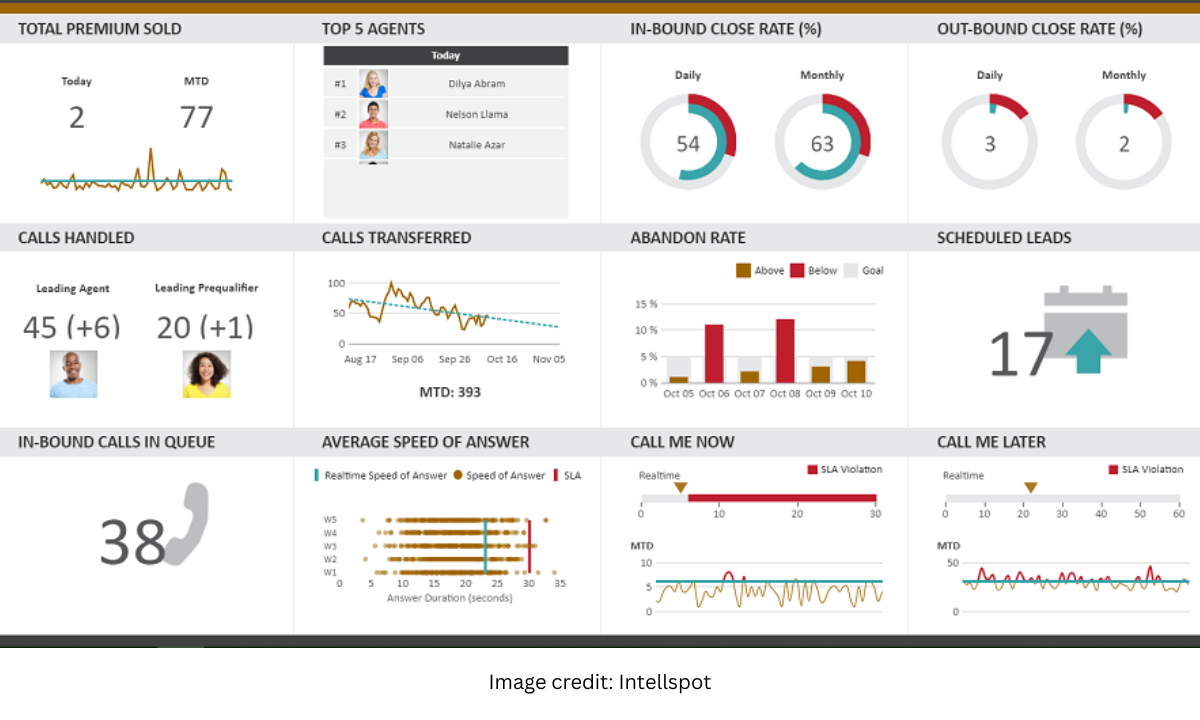
Hiring managers expect entry-level Data scientists to have a solid understanding of fundamentals. Without this, even advanced tools won’t help in solving real-world problems.
In fact, most interviewers focus heavily on basics because they reveal how well you can think, analyse, and approach problems logically. A strong foundation also helps us troubleshoot errors, optimise models, and adapt to new tools with ease. When you truly understand the core concepts, you become more confident and efficient in real-world scenarios.
Key areas to master:
-
Statistics and probability
-
Linear algebra basics
-
Data cleaning and preprocessing
-
Exploratory data analysis (EDA)
Recruiters or industries often notice that candidates who understand ‘why a model works’ perform better than those who only know ‘how to run it’.
2. Hands-On Experience with Real Projects
One of the biggest expectations for Data science jobs for freshers is practical exposure. Recruiters want proof that you can apply your knowledge.
Examples of impactful projects:
-
Predicting customer churn
-
Sales forecasting models
-
Recommendation systems
-
Sentiment analysis using social media data
Even 2–3 well-documented projects can significantly boost your profile.
3. Essential Technical Skills
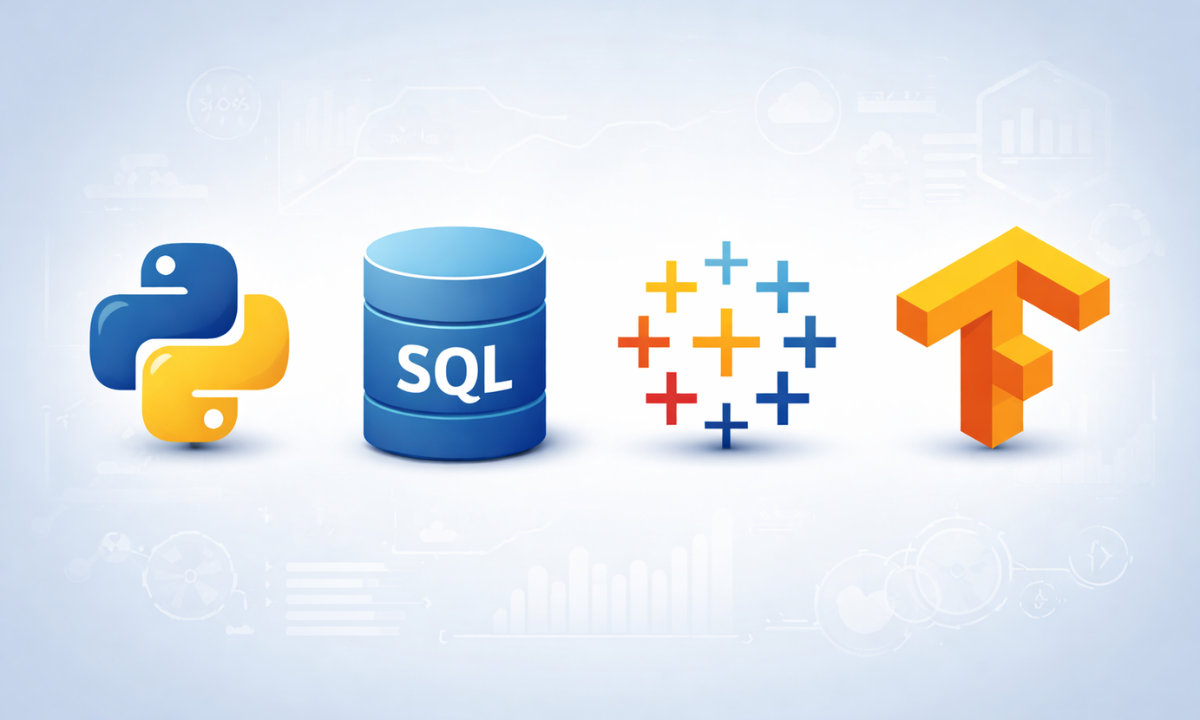
A strong Data scientist skill set goes beyond theory. Hiring managers look for candidates who are comfortable with tools and technologies.
Must-have technical skills:
|
Skill Area |
Tools/Technologies |
|
Programming |
Python, R |
|
Data Visualisation |
Tableau, Power BI |
|
Databases |
SQL |
|
Machine Learning |
Scikit-learn, TensorFlow |
|
Big Data (Optional) |
Hadoop, Spark |
Developing these Data scientist key skills ensures that you are job-ready from day one.
4. Understanding Business Problems

Many freshers make the mistake of focusing only on technical aspects. However, hiring managers value candidates who can connect data insights with business outcomes.
This means you need to think beyond algorithms and ask the right questions. “What problem are you solving? How does it impact revenue, cost, or customer experience?” When you align your analysis with business goals, our work becomes more relevant and impactful. It also shows recruiters that you can contribute to real decision-making, not just build models.
For example, instead of saying, “I built a model with 90% accuracy," you should say, "I built a model that helped reduce customer churn by 15%."
This shift in thinking is what separates average candidates from exceptional ones.
5. Communication and Storytelling Skills

Surprisingly, communication is one of the most underrated Data scientist skills.
As a Junior data scientist, you often need to:
-
Explain complex insights to non-technical stakeholders
-
Present findings using clear visualisations.
-
Translate data into actionable decisions
Strong storytelling can make your analysis impactful and memorable.
6. Familiarity with Data Science and AI Trends
The industry is rapidly evolving, and hiring managers prefer candidates who stay updated with trends in Data science and AI.
In a field where new tools and technologies emerge frequently, staying updated helps us remain relevant and competitive. It also shows that you are a proactive learner who can quickly adapt to changing industry demands. Recruiters often look for candidates who go beyond the syllabus and explore what’s shaping the future of data science.
Trending areas to explore:
-
Natural Language Processing (NLP)
-
Computer Vision
-
Automation in analytics
Staying current shows curiosity and commitment, which recruiters highly value.
7. Problem-Solving Mindset
Hiring managers don’t just test knowledge; they evaluate how you think.
A strong problem-solving mindset shows our ability to approach challenges with clarity and confidence. It involves analysing situations step by step, identifying patterns, and choosing the most effective solution rather than jumping to conclusions.
When you demonstrate structured thinking, it reassures recruiters that you can handle real-world data challenges independently.
What they look for:
-
Logical reasoning
-
Structured approach to solving problems
-
Ability to break down complex tasks
During interviews, case studies and real-world scenarios are often used to assess this.
8. Portfolio and GitHub Presence
A strong portfolio can sometimes outweigh a degree. Recruiters often check GitHub profiles to evaluate your work.
What to include:
-
Clean, well-documented code
-
Real-world datasets
-
Clear problem statements
-
Visualisations and insights
This acts as proof of your Data scientist skill set in action.
9. Adaptability and Willingness to Learn
Technology evolves quickly, and hiring managers expect candidates to keep learning.
You should:
-
Participate in hackathons and bootcamps
-
Follow industry blogs and updates
This continuous growth mindset is essential for long-term success.
10. Certifications from Reputed Institutes
While skills matter most, certifications still add credibility, especially for freshers.
For many beginners, certifications act as a strong validation of their knowledge and commitment to learning. They also help us stand out in a competitive job market where recruiters often receive hundreds of applications.
A well-recognised certification can signal that you have undergone structured training and are job-ready.
Enrolling in a trusted Training institute in Bangalore can
-
Provide structured learning
-
Offer mentorship
-
Improve placement opportunities
It also helps bridge the gap between theory and industry expectations.
Practical Tips to Impress Hiring Managers
Here are actionable steps you can take immediately:
-
Build at least 3 strong projects
-
Practice SQL and Python daily
-
Prepare for case-based interviews
-
Create a portfolio website
-
Stay updated with Data Science and AI trends
What Recruiters Prefer
To better understand what hiring managers truly value, let’s compare two typical entry-level candidates side by side:
|
Candidate A |
Candidate B |
|
Only theoretical knowledge |
Strong project portfolio |
|
Basic coding skills |
Advanced Python + SQL |
|
No real-world exposure |
Internship experience |
|
Poor communication |
Strong storytelling ability |
Clearly, Candidate B has a higher chance of getting hired.
Final Thoughts
Breaking into the field of data science may seem challenging, but with the right approach, it is absolutely achievable. By focusing on real-world skills, building a strong portfolio, and staying updated with industry trends, you can meet and exceed hiring expectations.
If you are planning to enrol in a Data science course in Bangalore, choosing a trusted institute like Apponix can give you the right guidance, hands-on training, and industry exposure needed to succeed.
FAQs
1. What are the most important Data scientist key skills?
The most important Data scientist key skills include programming (especially Python or R), strong knowledge of statistics, and a solid understanding of machine learning concepts. Along with technical expertise, communication plays a crucial role. You must be able to explain insights clearly and connect data findings with real business problems to deliver meaningful impact.
2. Can freshers get data science jobs easily?
Yes, freshers can secure opportunities, but competition is high. To stand out in Data science jobs for freshers, you need strong hands-on experience through projects, internships, or case studies. Recruiters look for practical application of skills, not just theory, so building a solid portfolio and demonstrating problem-solving ability significantly improves your chances.
3. Is a data science certification necessary?
Certification is not mandatory, but it definitely adds value, especially for beginners entering the field. A recognised certification shows that you have undergone structured learning and understand industry-relevant concepts. It also builds trust with recruiters and can give you an edge over other candidates who may not have formal training.
4. How can I become a Junior data scientist?
To become a Junior data scientist, one should start by mastering core concepts like statistics, data analysis, and programming. Building real-world projects and gaining hands-on experience is essential. Additionally, staying consistent with learning, improving problem-solving skills, and applying to relevant roles regularly will help you successfully enter the field.

Apponix Academy
Apponix Academy