POPULAR COURSES
Master Programs

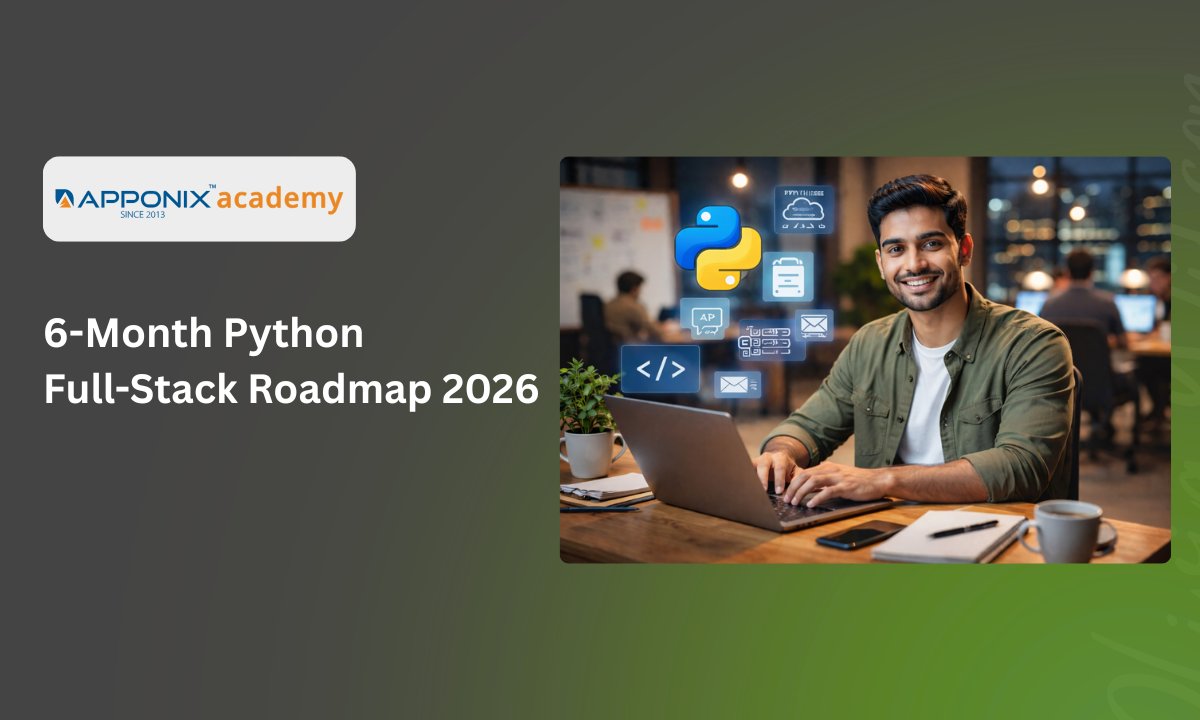
Table of contents:
|
1. Key Points Covered in This Roadmap |
|
2. Why Choose Python Full-Stack Development in 2026? |
|
3. Month 1: Python Foundations and Core Concepts |
|
4. Month 2: Advanced Python and Problem Solving |
|
5. Month 3: Python Backend Developer Roadmap |
|
6. Month 4: Python Web Developer Roadmap (Frontend Basics) |
|
7. Month 5: Databases, Deployment, and Real Projects |
|
8. Month 6: Career Readiness and Interview Preparation |
|
9. Why a Training Institute in Bangalore Helps |
|
10. Tips to Follow This Roadmap Successfully |
|
11. Final Thoughts |
|
12. FAQs |
For anyone serious about building a tech career, following a clear Python full-stack developer roadmap is the smartest way to move from beginner level to job-ready in 2026.
We are seeing Python full-stack roles grow rapidly because companies want developers who can handle both frontend and backend work. Instead of learning random topics, a structured roadmap saves time and builds confidence. If you’re exploring a Python course in Bangalore, this 6-month plan will show you exactly what to learn and when.
Stay with us till the end, because we will break down each month clearly and share tips that can make the difference between learning Python and getting hired.
Key Points Covered in This Roadmap
-
What a Python full-stack developer does in 2026
-
A month-by-month Python learning plan
-
Core technical and soft skills required for Python developer roles
-
Backend, frontend, and database learning stages
-
Career progression from junior to senior roles
-
Why structured training improves hiring chances
Why Choose Python Full-Stack Development in 2026?
Python continues to dominate the development ecosystem due to its simplicity and versatility. Full-stack developers who understand both frontend and backend technologies are highly valued by employers. We also see Python being widely used in startups, SaaS companies, and enterprise platforms.
By following a defined Python Developer Roadmap, we reduce confusion and focus on skills that actually matter in the job market. This approach is especially useful for beginners starting from zero.
Month 1: Python Foundations and Core Concepts
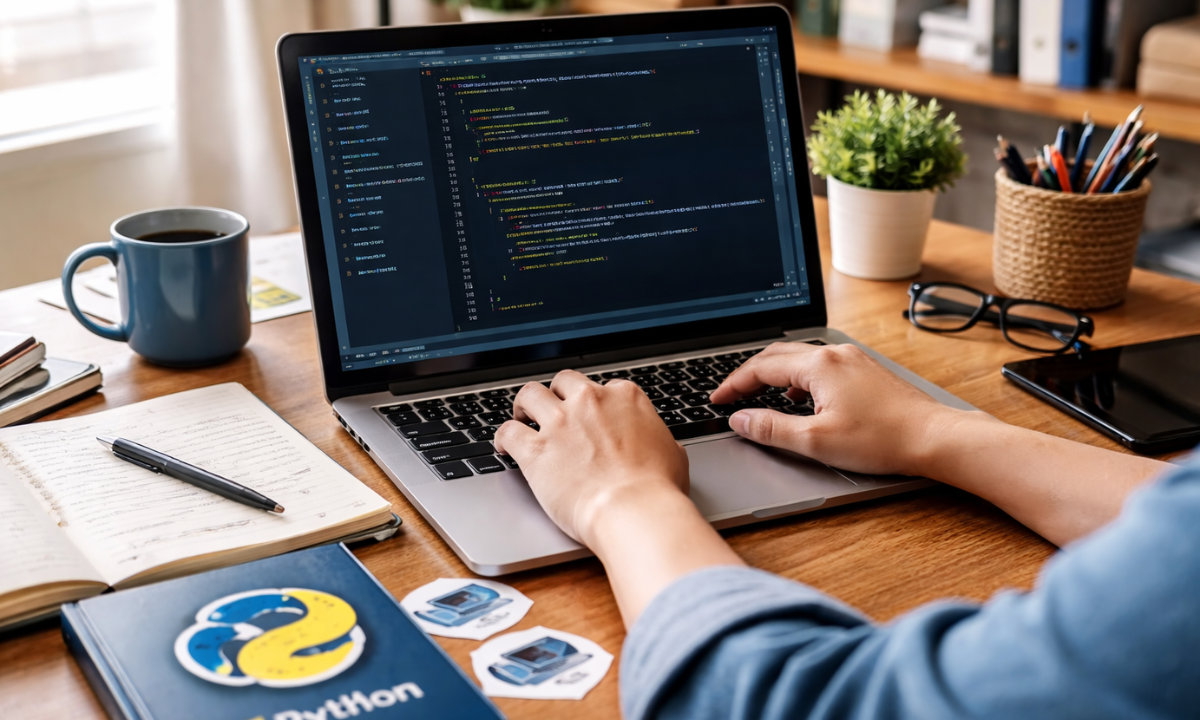
The first month is all about building a strong foundation. We start with Python basics and learn how programming logic works. This month sets the tone for everything that follows.
What We Learn in Month 1
|
Topic Area |
Skills Covered |
|
Core Python |
Variables, data types |
|
Control flow |
Loops and conditions |
|
Functions |
Reusable code logic |
|
Practise |
Small Python programs |
Strong fundamentals are essential because they support every advanced concept later in the roadmap.
Month 2: Advanced Python and Problem Solving

In the second month, we move deeper into Python and improve our coding confidence. This stage focuses on writing clean, efficient code and understanding how Python works internally.
Key Topics This Month
-
Object-Oriented Programming (OOP)
-
Exception handling
-
File handling
These skills form the backbone of the skills required for Python developer roles across industries.
Month 3: Python Backend Developer Roadmap

Month three is where backend development begins. We focus on how websites and applications work behind the scenes. This stage follows a practical Python Backend Developer Roadmap aligned with industry needs.
|
Backend Skill |
Tools & Concepts |
|
Web frameworks |
Flask / Django |
|
APIs |
RESTful services |
|
Authentication |
Login systems |
|
Databases |
SQL basics |
Backend development is a major hiring requirement and adds strong value to our profile.
Month 4: Python Web Developer Roadmap (Frontend Basics)

A full-stack developer must understand frontend technologies as well. This month, we learn how users interact with applications. This stage completes the Python Web Developer Roadmap.
Frontend Skills Covered
-
HTML for structure
-
CSS for styling
-
JavaScript basics
-
Connecting frontend with backend
This knowledge helps us build complete, user-friendly applications instead of isolated code modules.
Month 5: Databases, Deployment, and Real Projects

In the fifth month, we combine everything we have learnt so far. We start working on real-world projects and understand how applications are deployed. This is where theory turns into job-ready experience.
|
Focus Area |
Learning Outcome |
|
Databases |
MySQL / PostgreSQL |
|
Deployment |
Hosting applications |
|
Projects |
Full-stack applications |
|
Version control |
Git & GitHub |
Hands-on project work is what recruiters value the most.
Month 6: Career Readiness and Interview Preparation

The final month prepares us for the job market. We focus on interviews, resumes, and role-specific expectations. This stage helps us transition smoothly into professional roles.
Career Path Overview
|
Role Level |
Roadmap Focus |
|
Junior Python Developer Roadmap |
Basics and projects |
|
Senior Python Developer Roadmap |
Architecture & optimization |
We also revise concepts, practise coding challenges, and prepare for technical interviews.
Why a Training Institute in Bangalore Helps
Learning independently is possible, but guidance accelerates progress. A good training institute in Bangalore provides structured learning, mentorship, and placement support. We benefit from peer learning and industry-relevant projects.
Classroom or guided training helps us avoid common mistakes and stay focused on employable skills.
Tips to Follow This Roadmap Successfully
-
Practise coding daily, even if it’s just 30 minutes
-
Focus on understanding, not memorising.
-
Build small projects regularly.
-
Ask questions and seek mentorship.
-
Revise fundamentals often
Consistency matters more than speed in this journey.
Final Thoughts
Following a structured Python full-stack developer roadmap in 2026 helps us move confidently from beginner to professional developer. With the right learning sequence, hands-on projects, and expert guidance, career growth becomes predictable and achievable.
Enrolling in a well-designed Python course in Bangalore can further strengthen our skills, provide placement support, and accelerate hiring outcomes. At Apponix, this roadmap-based approach helps learners stay focused, industry-ready, and future-proof in a competitive tech landscape.
FAQs
1. Is six months enough to become a Python full-stack developer?
Yes, six months is enough to become job-ready if we follow a structured roadmap and practise consistently. Real projects and guided learning make a big difference.
2. Can beginners with no coding background follow this roadmap?
Absolutely. This roadmap is designed for beginners starting from zero. We begin with Python basics and gradually move to advanced full-stack concepts.
3. What jobs can we apply for after completing this roadmap?
We can apply for junior Python developer, backend developer, or full-stack developer roles depending on our skill level and project experience.
4. Do we need prior IT or computer science knowledge to start this roadmap?
No, prior IT or computer science knowledge is not mandatory. This roadmap is designed for beginners and starts from the basics. With regular practice and guidance, even non-technical learners can comfortably transition into Python full-stack roles.
5. How important are real-time projects in a Python full-stack developer roadmap?
Real-time projects are extremely important because they help us apply concepts in practical scenarios. They also improve problem-solving skills and strengthen resumes. Recruiters prefer candidates who can demonstrate hands-on experience rather than only theoretical knowledge.
Apponix Academy
Apponix Academy