POPULAR COURSES
Master Programs





Table of contents:
|
1. Why DevOps Is a Strong Career Choice in 2026 |
|
2. What Does a DevOps Engineer Actually Do? |
|
3. Step-by-Step Roadmap to Secure a DevOps Engineer Job
|
|
4. Fresher DevOps Engineer Salary In India |
|
5. Where to Find DevOps Job Openings in India |
|
6. Common Mistakes Freshers Make |
|
7. Certifications That Strengthen a DevOps Fresher’s Profile |
|
8. Why Bangalore Is a Strong DevOps Job Market |
|
9. How Apponix Helps Freshers Enter DevOps |
|
10. Future Scope of DevOps in India |
|
11. Personalized Action Plan for Freshers |
|
12. Frequently Asked Questions |
|
13. Conclusion |
Breaking into the technology industry can feel overwhelming, especially when every job listing appears to demand “2–3 years of experience”. Yet the demand for automation, cloud infrastructure and continuous deployment has created real opportunities for newcomers. Securing a DevOps Engineer Job For Fresher candidates in India is no longer unrealistic. It simply requires a structured plan, technical clarity, and strategic positioning.
For graduates and career switchers exploring structured pathways such as a DevOps Course in Bangalore, understanding the complete roadmap — from skills to salary expectations — is crucial. This guide provides a comprehensive, step-by-step strategy tailored specifically for freshers in India who want to transition confidently into DevOps roles in 2026.
Why DevOps Is a Strong Career Choice in 2026
DevOps is not just a job title; it is a culture that integrates development and operations to enable faster, reliable software delivery. As organisations increasingly migrate to cloud platforms and adopt automation pipelines, demand continues to rise across IT services, fintech, SaaS, healthcare and e-commerce sectors.
Industry reports from NASSCOM and Gartner consistently highlight cloud and automation as high-growth segments in India. This growth directly translates into increased demand for DevOps Jobs For Freshers, especially in technology hubs such as Bangalore, Hyderabad, Pune and Chennai.
What Does a DevOps Engineer Actually Do?

Before pursuing any DevOps Job For Fresher, it is essential to understand the real responsibilities.
Core Responsibilities:
-
Automating deployment pipelines
-
Managing cloud infrastructure
-
Monitoring system performance
-
Implementing CI/CD tools
-
Collaborating between development and operations teams
Unlike traditional system administration, DevOps requires coding awareness, scripting ability and infrastructure management skills combined.
Step-by-Step Roadmap to Secure a DevOps Engineer Job
This DevOps career roadmap gives you clarity to make the right next move.
1. Build Strong Technical Foundations
Freshers must begin with a core technical understanding before applying for any DevOps Fresher opportunity.
-
Linux Fundamentals
Most DevOps environments run on Linux. Command-line proficiency is non-negotiable.
-
Networking Basics
Understanding IP addressing, DNS, firewalls, and load balancing strengthens interview confidence.
-
Programming & Scripting
Python and Shell scripting are highly recommended.
-
Version Control
Git knowledge is essential for collaboration.
2. Master Essential DevOps Tools
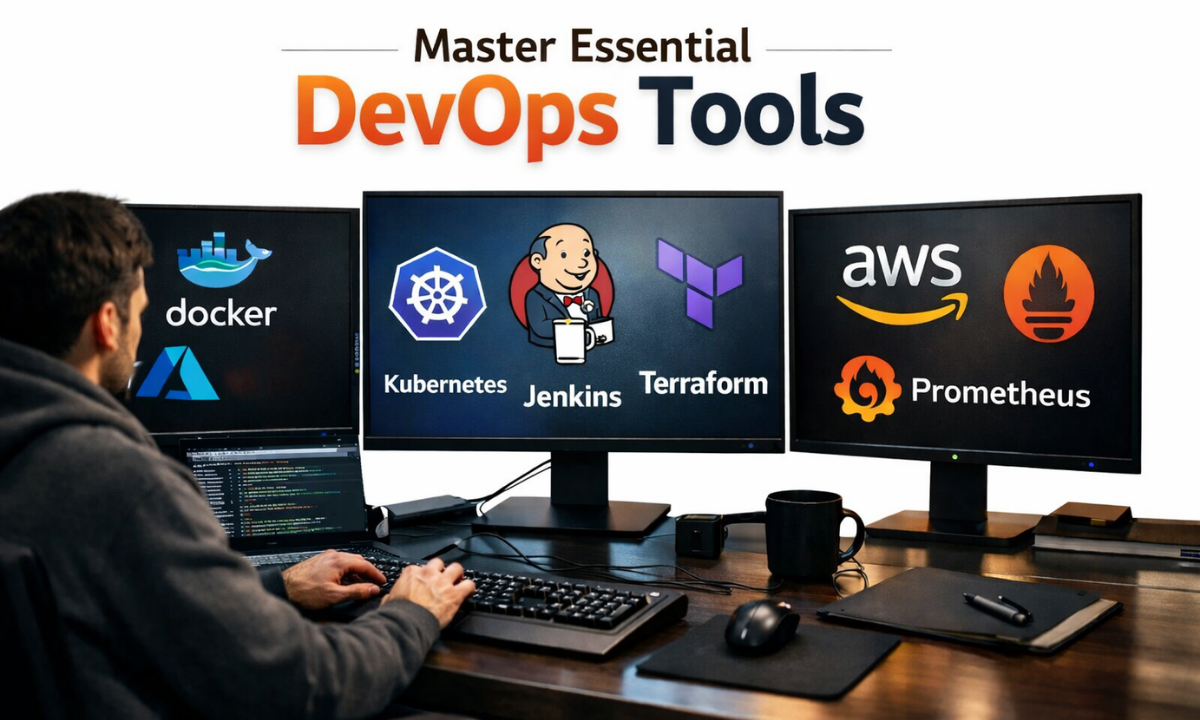
Recruiters hiring for DevOps Engineer Job For Fresher roles often look for familiarity with:
-
Docker (Containerisation)
-
Kubernetes (Container orchestration)
-
Jenkins or GitHub Actions (CI/CD)
-
Terraform (Infrastructure as Code)
-
AWS / Azure / GCP (Cloud platforms)
Instead of learning superficially, build small projects demonstrating practical usage.
3. Enrol in Structured Training
While self-learning is possible, structured learning accelerates clarity.
For aspirants in Bangalore, enrolling in a professional DevOps Course In Bangalore can offer:
-
Guided mentorship
-
Real-world project exposure
-
Mock interview preparation
-
Career counselling
-
Placement assistance
At Apponix Technologies, learners gain hands-on training aligned with industry standards.
4. Work on Real-Time Projects
Recruiters prioritise demonstration over theory. Freshers applying for DevOps Vacancy For Freshers positions must showcase:
-
Deployment of a web application using Docker
-
CI/CD pipeline configuration
-
Cloud-hosted project
-
Infrastructure automation scripts
Hosting projects on GitHub significantly increases interview calls.
5. Prepare for Interviews Strategically
Most interviews for Job Openings For DevOps Fresher roles include:
-
Linux troubleshooting questions
-
Basic scripting challenges
-
CI/CD scenario discussions
-
Cloud architecture fundamentals
Fresher DevOps Engineer Salary In India

Understanding compensation expectations motivates structured preparation.
Entry-Level Salary Range:
-
₹4–7 LPA in service-based firms
-
₹6–9 LPA in product-based companies
-
Higher packages are possible with cloud certifications
The Fresher DevOps Engineer Salary in India depends heavily on practical exposure and certification credibility.
Where to Find DevOps Job Openings in India
Freshers can explore:
-
LinkedIn
-
Naukri
-
Indeed
-
Company career pages
-
Startup job boards
Search strategically using terms like DevOps Jobs For Freshers and filter by entry-level.
Networking plays a vital role. Engage with DevOps communities, attend meetups and build recruiter connections.
Common Mistakes Freshers Make
Many candidates struggle because they:
-
Apply without practical exposure
-
Memorise interview answers without understanding
-
Ignore Linux basics
-
Avoid networking
-
Skip portfolio creation
A structured approach prevents these errors.
Certifications That Strengthen a DevOps Fresher’s Profile
Certifications can support interview credibility.
Recommended options:
-
AWS Certified Cloud Practitioner
-
Microsoft Azure Fundamentals
-
Docker Certified Associate
When combined with structured training, such as a DevOps Course In Bangalore, certification improves placement chances.
Why Bangalore Is a Strong DevOps Job Market
Bangalore remains India’s technology capital. The ecosystem includes:
-
IT service giants
-
SaaS startups
-
Cloud consulting firms
-
Product-based enterprises
Enrolling in a reputed DevOps Course In Bangalore provides local recruiter exposure and networking advantages.
How Apponix Helps Freshers Enter DevOps
Apponix Technologies offers structured DevOps training with job placement:
-
Practical lab sessions
-
Real-time project work
-
Industry-aligned curriculum
-
Resume building support
-
Interview preparation sessions
Future Scope of DevOps in India
The automation economy is expanding. According to industry projections:
-
Cloud adoption in India continues to grow annually
-
Startups increasingly depend on scalable infrastructure
-
AI integration demands robust deployment pipelines
This ensures consistent demand for entry-level DevOps professionals.
Personalized Action Plan for Freshers
If you are starting today, follow this roadmap:
-
Spend 4–6 weeks mastering Linux and networking.
-
Learn Docker and CI/CD tools.
-
Complete one real deployment project.
-
Earn a foundational cloud certification.
-
Build a GitHub portfolio.
-
Enrol in structured training if required.
-
Begin applying for entry-level roles.
Consistency matters more than speed.
Frequently Asked Questions
1. Is DevOps suitable for freshers in India?
Yes, DevOps is increasingly suitable for freshers in India, provided they approach it with structured preparation and realistic expectations. Earlier, DevOps roles were largely reserved for professionals with prior development or system administration experience. However, the rapid growth of cloud computing, SaaS startups, and automation-driven delivery models has created space for entry-level positions.
Companies today look for candidates who understand fundamentals rather than years of experience. If a fresher can demonstrate:
-
Strong Linux and networking basics
-
Practical exposure to Docker and CI/CD pipelines
-
Basic cloud knowledge (AWS, Azure or GCP)
-
A GitHub portfolio showcasing deployment projects
They become viable candidates for entry-level roles.
Structured programmes such as a DevOps Course in Bangalore can bridge the gap between theory and hands-on implementation, making freshers more confident and interview-ready.
2. What skills are required for DevOps freshers?
To secure a DevOps role, freshers need a combination of technical depth and operational understanding. The required skills are layered rather than isolated.
Foundational Skills
-
Linux command-line proficiency
-
Basic networking concepts (IP, DNS, firewalls)
-
Understanding of the software development lifecycle
Core DevOps Skills
-
Git and version control
-
Docker containerisation
-
CI/CD tools such as Jenkins or GitHub Actions
-
Cloud platform basics (AWS EC2, S3, IAM concepts)
Supporting Skills
-
Shell scripting or Python
-
Infrastructure as Code fundamentals
-
Monitoring basics (Prometheus, Grafana awareness)
Recruiters hiring for entry-level DevOps roles are not expecting mastery of every tool. Instead, they assess clarity of concepts, problem-solving ability, and real-world exposure through projects.
Practical labs, live deployments, and guided mentoring often make a measurable difference in skill confidence.
3. How long does it take to become job-ready?
The time required depends on prior technical exposure and learning consistency.
For candidates from technical backgrounds (B.Tech, BCA, MCA), becoming job-ready may take approximately 3–4 months with focused daily practice.
For career switchers without technical foundations, the journey may take 5–6 months to build comfort with Linux, scripting and cloud concepts.
A typical structured roadmap looks like this:
Month 1: Linux, networking, Git fundamentals
Month 2: Docker, CI/CD pipelines
Month 3: Cloud platform basics and deployment projects
Month 4–5: Advanced automation and interview preparation
Consistency matters more than speed. Daily practice, project implementation and mock interviews significantly accelerate readiness.
4. What is the average starting salary?
Entry-level DevOps salaries in India vary depending on location, skill level and company type.
In service-based IT firms, freshers typically earn between ₹4–6 LPA.
In product-based companies or well-funded startups, compensation may range from ₹6–9 LPA.
Candidates with cloud certifications, strong GitHub portfolios and practical deployment experience may command higher packages.
Over time, salary growth in DevOps is strong compared to many entry-level IT roles. Within 3–5 years, professionals often move into ₹12–18 LPA brackets depending on performance and skill expansion.
Location also influences compensation. Technology hubs such as Bangalore tend to offer stronger salary bands due to higher demand and recruiter competition.
Conclusion
Securing a DevOps role as a fresher is achievable with structured preparation, technical clarity and strategic positioning. The journey requires dedication but offers strong long-term growth potential.
For candidates seeking guided learning, practical exposure and placement assistance, structured training through Apponix can provide the right foundation. The technology ecosystem is evolving rapidly, and DevOps remains one of the most promising entry points into cloud-driven careers.
References
-
NASSCOM Industry Reports on Cloud and Automation Trends
-
Gartner Market Guide for DevOps Platforms
-
LinkedIn Workforce Report India – Technology Roles
-
AWS Official Certification Guide
-
Microsoft Azure Learning Documentation

Apponix Academy
Apponix Academy