POPULAR COURSES
Master Programs



Table of content:
|
1. Understanding Cybersecurity for Small Business |
|
2. Why Cybersecurity in Small Businesses Is a Must |
|
3. How Cybersecurity for Businesses Works in Reality
|
|
4. Role of Employee Awareness in Cybersecurity |
|
5. Cybersecurity Solutions for Small Business |
|
6. Best Cyber Security for Small Business: What to Look For |
|
7. Cost of Cybersecurity for Small Businesses |
|
8. Cybersecurity as a Business Enabler |
|
9. Final Thoughts |
|
10. FAQs |
At Apponix, as a trainer, I come across various role profiles such as business owners, IT beginners, and working professionals. Among the many concerns that these people have, the one they keep talking about is cybersecurity for small businesses.
Today, any brick-and-mortar shop, startup, or service firm could easily be the next target of cybercriminals, even if it is a very small business. As a matter of fact, in my first session of any training programme, I highlight how enrolling in a cybersecurity course in Bangalore or even comprehending some of the fundamental security measures is, at present, mandatory and not optional.
Often, small businesses are under the impression that only the big enterprises get targeted by hackers. As a matter of fact, the truth is completely different. Here, we will discuss how cybersecurity can be implemented in small businesses, the importance of it, and your organisation's protective measures in the best possible way.
Understanding Cybersecurity for Small Business

Cybersecurity for small business is basically the planning, equipment, and work to defend data, networks, devices, and systems of a business from cyber threats. Those threats are malware, ransomware, phishing, insider threats, and data breaches.
Small businesses don't have the big budgets and large IT teams that the big companies do. That is the main reason why criminals consider them easy targets. In my experience as a trainer, I can say that most breaches are not because of high-level threats but are due to weak passwords, untrained employees, or outdated systems.
Why Cybersecurity in Small Businesses Is a Must
Besides stealing data, cyber attacks affect business operations, reputation, and finances. Cybersecurity in small businesses is a way to:
-
Keep safe, customer and financial data
-
Operate the business without interruptions
-
Follow data protection laws
-
Get customer loyalty and build the brand
One successful attack can lead to the closure of a small business. That is why most of the entrepreneurs nowadays are seeking cybersecurity companies for small businesses to help them understand their risks.
How Cybersecurity for Businesses Works in Reality
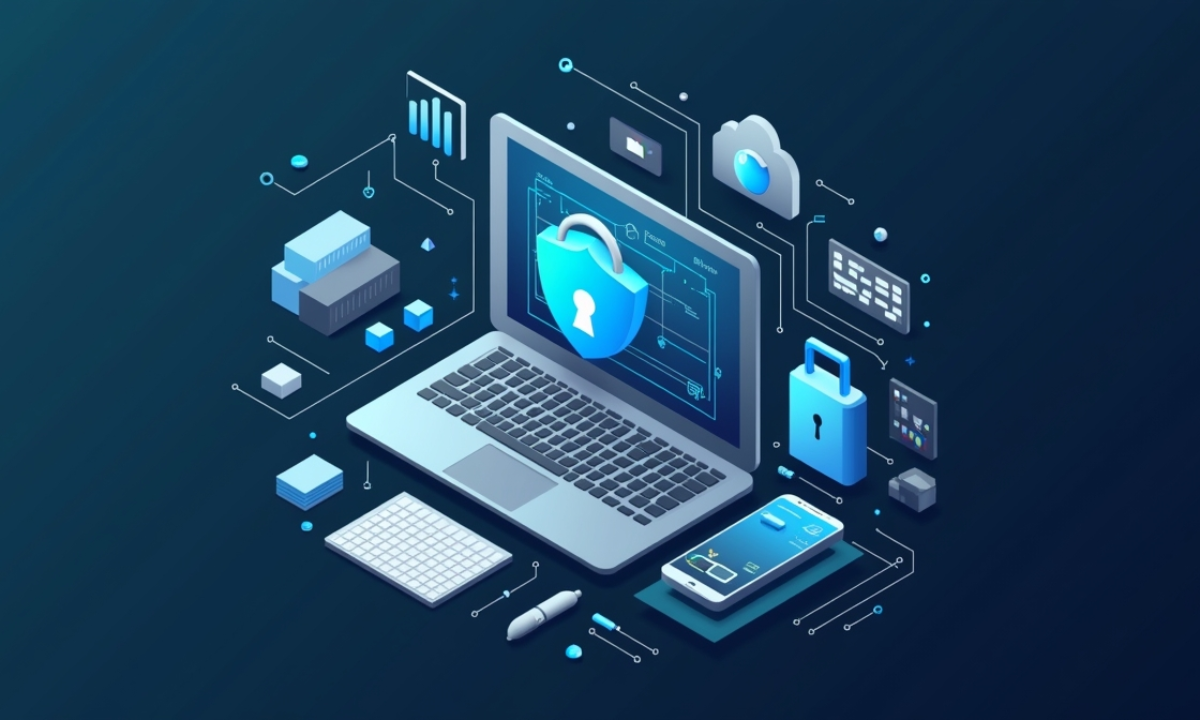
Simply put, cybersecurity for businesses is a multiple-layer defence approach. Among these layers are:
Network Security
Firewalls, intrusion detection systems, and secure Wi-Fi configurations are used to protect the internal networks from unauthorised access.
Endpoint Security
Every laptop, desktop, or mobile device is an endpoint. Antivirus and endpoint detection tools are used to prevent malware from spreading across systems.
Data Protection
Encryption makes sure that sensitive data cannot be read even if it is stolen.
Identity and Access Management
Access to information, based on roles, ensures that employees only get to access the items that are necessary, thus reducing insider threats.
Role of Employee Awareness in Cybersecurity
As a trainer, I can say with certainty that merely relying on technology is not enough. Employees are often the weakest link.
Simple mistakes, such as opening phishing emails or using passwords that are not strong enough, can result in systems being totally compromised. That is exactly the reason why training programmes, especially a cybersecurity course in Bangalore, strengthen human defences along with technical ones.
Cybersecurity Solutions for Small Business
Today's solutions to cybersecurity for small business provide scalability and affordability at the same time. Some of the commonly used solutions are:
-
Cloud-based security platforms
-
Managed security services
-
Automated backup and recovery tools
-
Email security and spam filtering
These solutions come with a design that allows them to grow along with your business, giving you protection without causing you to be overwhelmed.
Best Cyber Security for Small Business: What to Look For
When choosing the best cybersecurity for a small business, focus on:
-
Ease of use
-
Scalability
-
Real-time threat detection
-
Affordable pricing
-
24/7 monitoring and support
Many cybersecurity companies for small businesses now offer bundled packages that include assessment, implementation, and ongoing monitoring.
Cost of Cybersecurity for Small Businesses
One of the most common questions I get in class is about the cost of cybersecurity for small businesses. The good news is it’s far less than the cost of a cyberattack.
Costs typically depend on:
-
Number of users and devices
-
Type of data handled
-
Industry compliance requirements
Basic security may start from a few thousand rupees per year, while advanced managed services cost more. But compared to data breach losses, this investment is minimal.
Cybersecurity as a Business Enabler
Many owners see cybersecurity as an expense. I encourage them to see it as an enabler. Strong cybersecurity builds customer confidence, enables safe digital transactions, and supports long-term growth.
From a training perspective, businesses that invest in employee upskilling and structured security policies are far more resilient.
Final Thoughts
From my experience at Apponix, I’ve seen firsthand how cybersecurity for small business can make or break an organisation. Whether you’re a startup or an established firm, ignoring cybersecurity is no longer an option.
Investing in the right tools, working with trusted cybersecurity companies for small businesses, and training your workforce, especially through a Cyber Security course in Bangalore, creates a strong, future-ready defence.
Cyber threats will continue to evolve, but with the right mindset and proactive approach, small businesses can stay secure, compliant, and competitive.
FAQs
1. What Is Cybersecurity for Small Businesses?
Cybersecurity for small businesses involves protecting systems, networks, and data from digital threats using tools, policies, and employee awareness.
2. Why Is Cybersecurity Important for Small Businesses?
Small businesses are frequent targets due to limited security measures. Cybersecurity prevents data loss, financial damage, and operational downtime.
3. What Are the Best Cybersecurity Solutions for Small Businesses?
Cloud security, endpoint protection, firewalls, and managed security services are among the best cybersecurity solutions for small businesses.
4. How Much Does Cybersecurity Cost for Small Businesses?
The cost of cybersecurity for small businesses varies based on size and needs, but it is generally affordable compared to breach-related losses.
5. Can Small Businesses Afford Professional Cybersecurity Services?
Yes. Many cybersecurity companies for small businesses offer flexible, scalable pricing models.
6. How Can Employees Help Improve Cybersecurity?
Employee training, phishing awareness, and basic cyber hygiene significantly reduce security risks.

Apponix Academy
Apponix Academy